Bulk bag filling equipment is essential for industries dealing with large-scale material handling. Whether you’re handling sand, cement, dry mortar, powder, or granules, the right filling machine ensures efficiency, accuracy, and safety. This article explores the key features, benefits, and technical specifications of bulk bag filling systems, helping you choose the perfect machine for your needs.
What is Bulk Bag Filling Equipment?
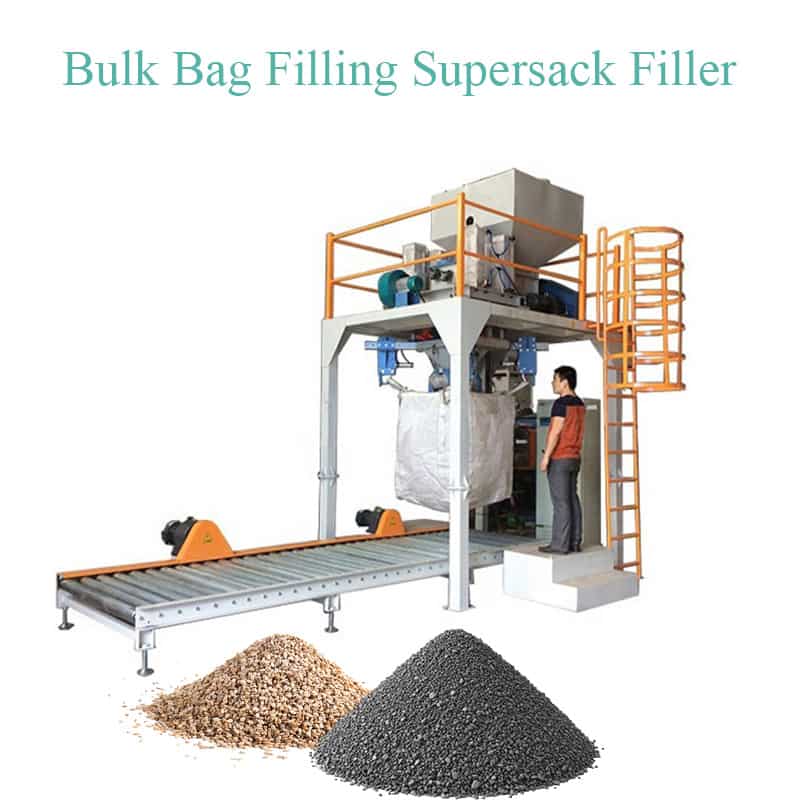
Bulk bag filling equipment, often called FIBC fillers, supersack fillers, or jumbo bag fillers, are industrial machines designed to fill large bags, known as flexible intermediate bulk containers (FIBC). These bags can hold large quantities of bulk material, such as powders, granules, or cement, making them ideal for industries requiring efficient and reliable bulk material packaging.
A typical bulk bag filling system includes a weighing scale, automatic filling, dust control, and conveying mechanisms, all of which contribute to improving operational productivity and product quality.
How Bulk Bag Filling Equipment Works
The bulk bag filling process typically involves the following steps:
- Bag Clamping & Positioning: The empty bag is manually or automatically clamped onto the filling station, ensuring that it is positioned securely for accurate filling.
- Automatic Filling: The machine fills the bag with material automatically, and the fill rate is controlled based on product type and desired weight.
- Weighing System: An integrated weighing scale ensures that the correct weight is achieved with high precision.
- Bag Unloading: Once the bag is filled to the target weight, the bag is unloaded from the filling station.
- Conveyance: The filled bag is transported via an automated conveyor for further handling, such as sealing or transportation.
Main Features:
- Automatic filling and weighing systems
- Adjustable bag support arms
- Dust-tight filling heads and seals
- Vibration for material deaeration
- Integration with conveyors
Key Benefits of Bulk Bag Filling Equipment
- Increased Efficiency: Automatic systems can fill between 10-20 bags per hour, reducing labor and increasing throughput.
- Enhanced Accuracy: Modern systems can achieve ±0.2% to ±0.3% weighing precision, minimizing material loss and ensuring each bag is filled to exact specifications.
- Improved Safety: Dust control features are critical, especially for materials like cement, where airborne particles can pose health risks. Dust-tight interfaces and filtration systems are integral to safe operations.
- Consistency: With automated systems, each bag is filled with uniform weight and minimal human error.
Applications by Material Type
Bulk bag filling equipment is designed to handle a wide range of materials, and different products require different configurations.
Bulk Bag Filling Equipment for Cement
Cement is a heavy, fine powder that requires precise handling due to its dustiness. A cement bagging machine includes features such as dust extraction, weighing accuracy, and bag stability to ensure proper packaging.
Bulk Bag Filling Equipment for Sand
In sand applications, the system must be sturdy enough to handle the free-flowing material while providing adequate bag support and flow control. These systems usually feature adjustable frames to accommodate various bag sizes and materials.
Bulk Bag Filling Equipment for Powder
Powdered products often require additional dust control and aeration, especially for materials like flour or minerals. Advanced powder bagging systems typically use inflatable seals, vibration, and dust extraction mechanisms to maintain both bag integrity and worker safety.
Bulk Bag Filling Equipment for Granules
Granular products are more manageable but still require precision filling. In granule handling, the key is to prevent overfilling or underfilling, especially when dealing with products that need to maintain uniform weight for retail or distribution.
Technical Specifications to Consider
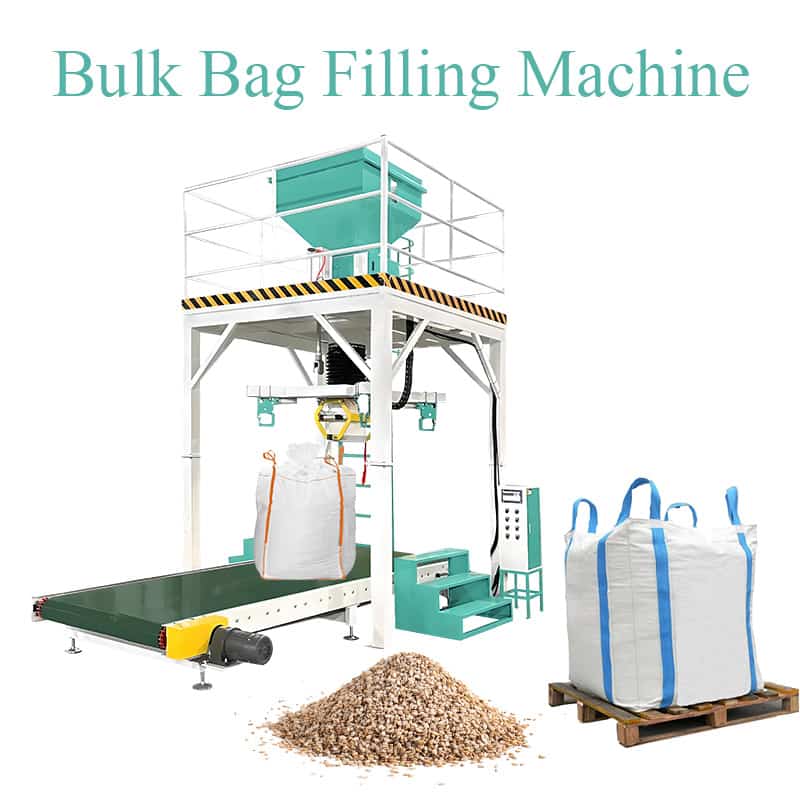
When selecting bulk bag filling equipment, consider the following key specifications:
- Weighing Accuracy: Ensures precision in filling. Modern systems can reach ±0.2% accuracy, reducing material waste.
- Capacity: Bulk bag fillers can handle bags ranging from 500 kg to 1500 kg. The output capacity of most systems ranges from 10 to 20 bags per hour, depending on the material.
- Power Supply: Most systems require a three-phase AC220V power supply, but can be customized for specific voltage requirements.
- Dust Control: Features like inflatable seals and dust extraction ensure that harmful particulate matter is contained, promoting a safer working environment.
- Material Compatibility: Choose a machine based on the material’s flow properties. For example, cement often requires a more robust system to handle fine particles and ensure proper sealing.
Safety and Dust Control
For industries like cement, where respirable crystalline silica is a concern, OSHA recommends strong dust control measures. The best equipment minimizes the release of dust during filling, preventing exposure to harmful particles. Filling stations designed for cement, sand, and powder must include robust dust containment and exhaust systems to keep both the product and the workplace clean.
Why Choose Bulk Bag Filling Systems?
While manual bagging systems can suffice for smaller operations, an automated system significantly enhances productivity. Automated filling stations can integrate with conveyors, packaging lines, and palletizing systems to streamline the entire operation. By reducing human intervention, automation ensures faster, more consistent filling, especially for high-volume operations.
In summary, bulk bag filling equipment plays a crucial role in industries handling large quantities of materials. Whether it’s cement, sand, or powders, these machines improve efficiency, accuracy, and safety. Choosing the right equipment based on your material and production needs will help minimize downtime, reduce waste, and improve overall operational efficiency.
FAQs
What types of materials can be handled by bulk bag filling machines?
Bulk bag filling machines are capable of handling materials like cement, sand, granules, powders, dry mortar, and other particulate or granular materials.
How accurate is a bulk bag filling machine?
Modern bulk bag filling machines can achieve weighing precision of ±0.2% to ±0.3%, ensuring accurate fills with minimal material waste.
Can I customize my bulk bag filling system?
Yes, many manufacturers offer customizable features such as adjustable bag supports, integrated dust control, vibration systems, and automated conveyors to suit specific material types and production requirements.
How do I ensure worker safety when using bulk bag filling equipment?
To ensure safety, choose equipment with dust-tight fill heads, air filtration systems, and sealed bag interfaces to minimize exposure to harmful dust particles, especially when dealing with materials like cement.
Conclusion:
Bulk bag filling equipment is a vital part of industries dealing with large-scale material handling. By selecting the right system for your product, you can increase efficiency, reduce labor, ensure safety, and maintain consistency in packaging. Whether you’re filling cement, sand, or powders, the proper machine will streamline operations and improve productivity.
For bulk bag filling systems, cement packaging, or custom solutions, get in touch with us today to find the perfect equipment for your needs.