Equipment Photo Gallery
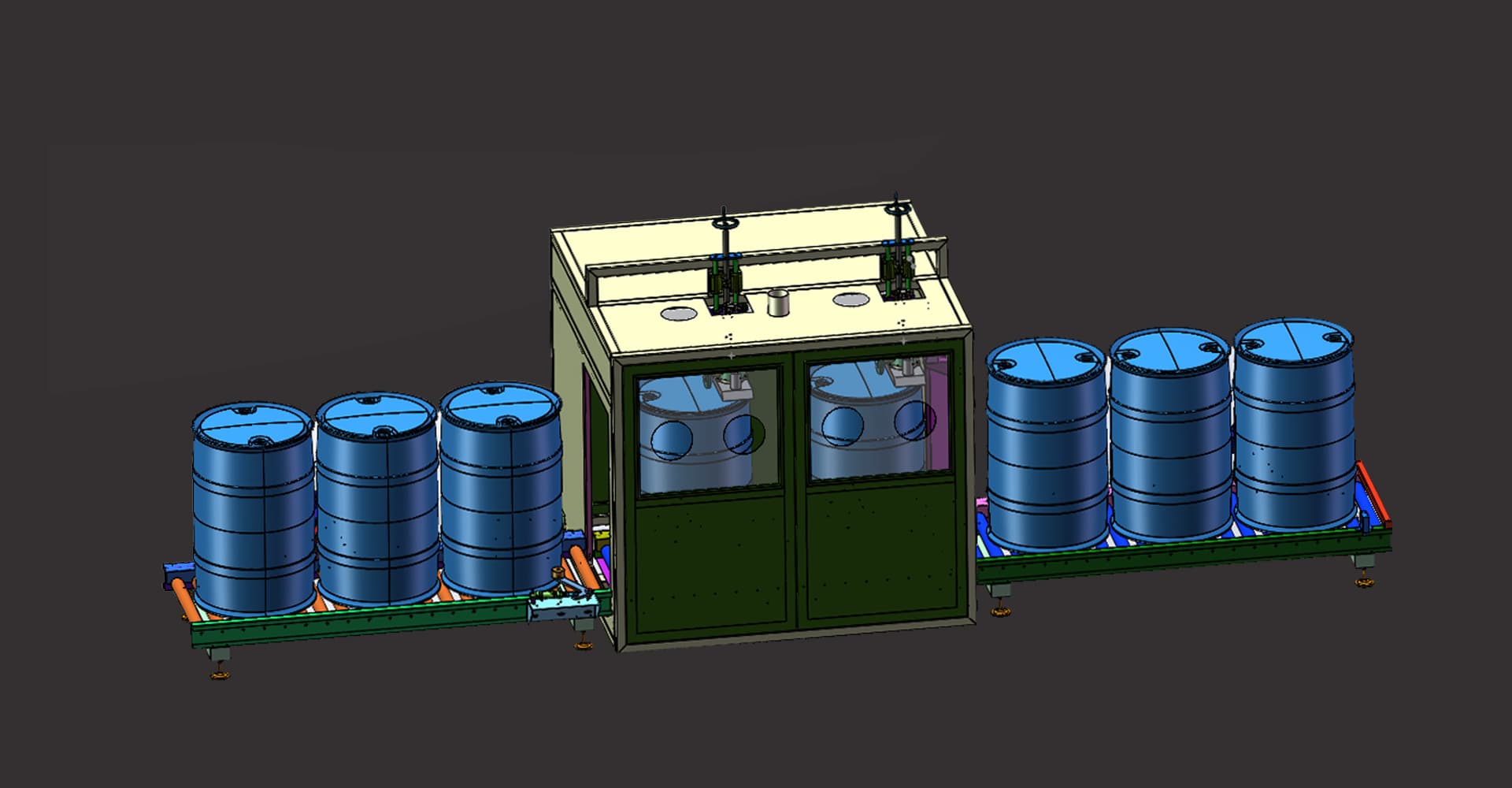

Drum Filling Accuracy and Net-Weight Verification
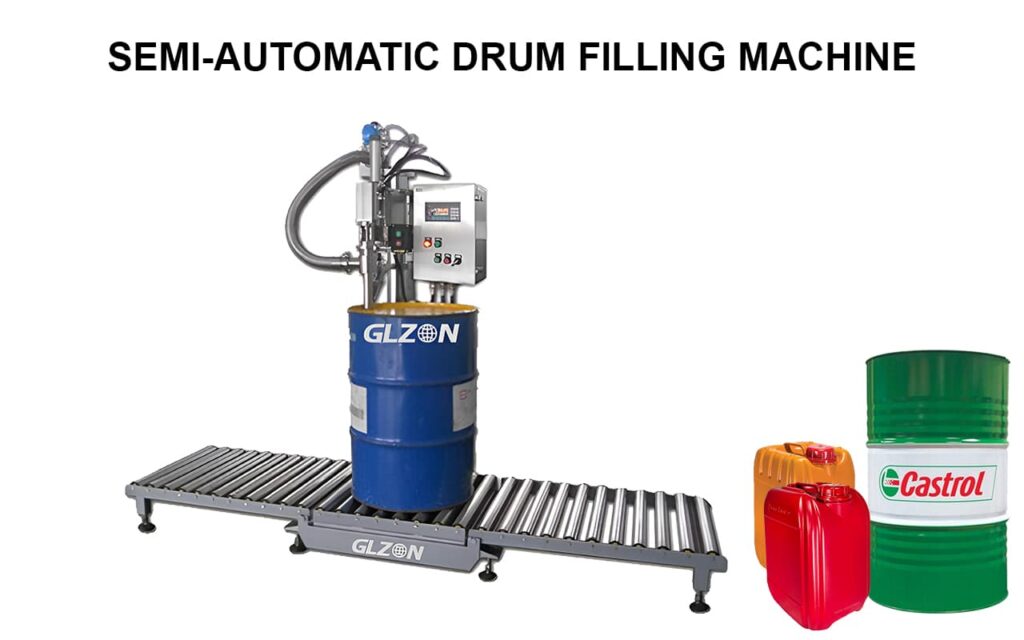
A weighing drum filler uses load cells and fast/slow cut-off to control the amount delivered into each container. For 200 L drums, the right setup depends on liquid viscosity, foaming, drum opening and required safety classification. Agree on a net-weight tolerance and verify it through repeated fills with the intended liquid. Record tare weight, target fill, temperature, feed pressure and measured deviation during the acceptance test. Compare the available drum filling machine configurations for automatic and semi-automatic production.
What Does Drum Filling Accuracy Mean?
Drum filling accuracy describes how closely the measured quantity matches the agreed target. For a net-weight specification, compare the liquid weight after subtracting the empty drum. Keep displayed resolution, repeatability and final filling error separate: a small display increment does not prove that every filled drum meets the tolerance.
Also define how the tolerance is expressed. A percentage of the target fill is different from a percentage of the scale capacity. Agree on the target, units, operating conditions and acceptance criteria before comparing quotations.
Tare, Gross Weight and Net Weight
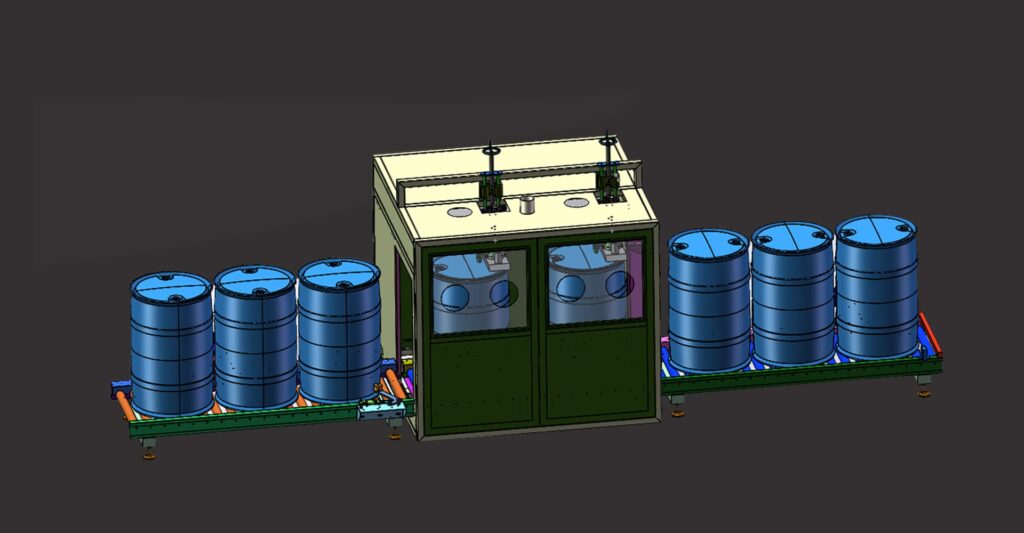
Tare is the empty container weight; gross weight includes the container and product; net weight is gross minus tare. Variations between empty drums can affect results if the controller uses one assumed tare value. Ask how the proposed system handles individual drums and records the filling result.
For verification, use a suitable independently checked weighing instrument and the agreed measurement procedure. Compare the machine record with the measured net quantity rather than judging the fill from the liquid level alone.
What Affects a Weighing Drum Filler’s Results?
The complete installation affects the weighing signal. Platform mounting, drum positioning, external contact, vibration and forces transmitted through hoses can influence the measurement. Review these conditions with the supplier before an acceptance test.
Product flow also matters. Pump delivery, liquid temperature, viscosity, foaming, valve response and product remaining in the nozzle can change the amount delivered after cut-off. Fast and slow filling stages should therefore be evaluated with the actual product and its intended supply conditions.
Record the Conditions for Every Test Fill
Use a test record that identifies the product, temperature, drum type, empty weight, target net weight and measured result. Include the recipe, nozzle mode, filling time and relevant supply conditions. Record the verification instrument and its checking status so results can be compared later.
Keep all results, including overfills, underfills and interrupted cycles. A single successful demonstration is insufficient to describe normal performance. Agree on the number of fills and any start-up or changeover checks before the test.
Agree on Tolerance and Acceptance Criteria
State the permitted error in units that both parties understand. For example, if the agreed tolerance is ±0.2% of a 200 kg target net fill, the permitted deviation is ±0.4 kg. This is an arithmetic example, not a performance guarantee for a particular machine.
Define whether every individual fill must meet the limit and how repeatability will be assessed. Ask the supplier to identify the conditions behind any quoted accuracy and to provide representative test records. Measurement uncertainty should be considered when judging a result close to the acceptance boundary.
Plan a Product-Based Acceptance Test
Before ordering, agree on the product or an approved representative test liquid, the actual drum format, target quantities, supply arrangement and verification method. Include minimum and maximum planned fill settings where relevant.
Then evaluate the complete cycle under the agreed conditions. Record filling results alongside container handling, nozzle positioning and any manual steps. Confirm performance after installation if the factory demonstration used different conditions. Follow the equipment manufacturer’s procedures for calibration and adjustment.
When Should Accuracy Be Checked Again?
Review weighing results after changes to the product, recipe, nozzle, pump, hoses or platform arrangement, and after maintenance that could affect filling or measurement. Use the manufacturer’s recommended checking schedule and keep records of adjustments.
For an inconsistent result, investigate the weighing arrangement and product flow together. Changing a displayed setting without identifying the cause can hide a repeatability problem. Confirm that any corrective action works across repeated fills.
Compare Evidence, Not Accuracy Labels
When comparing suppliers, request the model configuration, defined tolerance, measurement method and product-based test results. Ask which parts of the filling and handling cycle were included in the demonstration. A weighing specification alone does not establish the output or accuracy of the entire line.
For equipment selection, use our drum filling machine product page. This guide focuses on how to evaluate weighing performance rather than presenting another general machine catalogue.
Send Your Weighing and Test Requirements
Share the liquid, drum dimensions, target net weight, required tolerance, supply conditions and verification requirements when you request a quotation. Compare drum filling machine configurations and use the filling nozzle selection guide for related equipment decisions.