Liquid Filling Machine Manufacturer for Bottles, Drums and IBCs
GLZON supplies liquid filling machine solutions for bottles, pails, drums and IBC totes. Our equipment range serves oil, paint, chemical and other liquid-packaging applications. Choose a semi-automatic station or discuss an automatic line that fits your production needs. For connected production, explore our filling, capping and labeling systems overview.
Because every product behaves differently, machine selection starts with your liquid and container. Share your filling weight, required output and operating conditions. Then, our team can review a suitable configuration and prepare a quotation.
What Is a Liquid Filling Machine?
A liquid filling machine measures and dispenses liquid into a container. Depending on its design, it controls the fill by weight, volume or liquid level. For example, a net-weight system uses load cells to measure the product added to each container.
The right equipment helps control fill variation and reduce manual handling. However, actual performance depends on the product, supply system and container. A machine for thin oil may need different components from one handling thick paint.
Compare Liquid Filling Equipment by Container
Start with your packaging format. Next, compare the liquid properties and automation level that each application needs.
| Equipment type | Typical packaging | Selection priorities |
|---|---|---|
| Bottle filler | Small bottles and retail containers | Fill range, neck size and cap type |
| Pail or jerrycan filler | Pails, cans and jerrycans | Container stability, filling method and closure |
| Drum filler | Bulk drums, including 200L formats | Opening position, handling and nozzle reach |
| IBC filler | Bulk totes, including 1,000L formats | Gross load, tote access and supply flow |
| Paint filling system | Cans, pails or drums | Viscosity, cleaning and product hazards |
| Chemical filling system | Bottles through bulk containers | Compatibility, containment and site conditions |
These categories overlap because one product can use several container formats. The final quotation defines the approved sizes and equipment scope.
Drum Filling Machines for Bulk Liquids
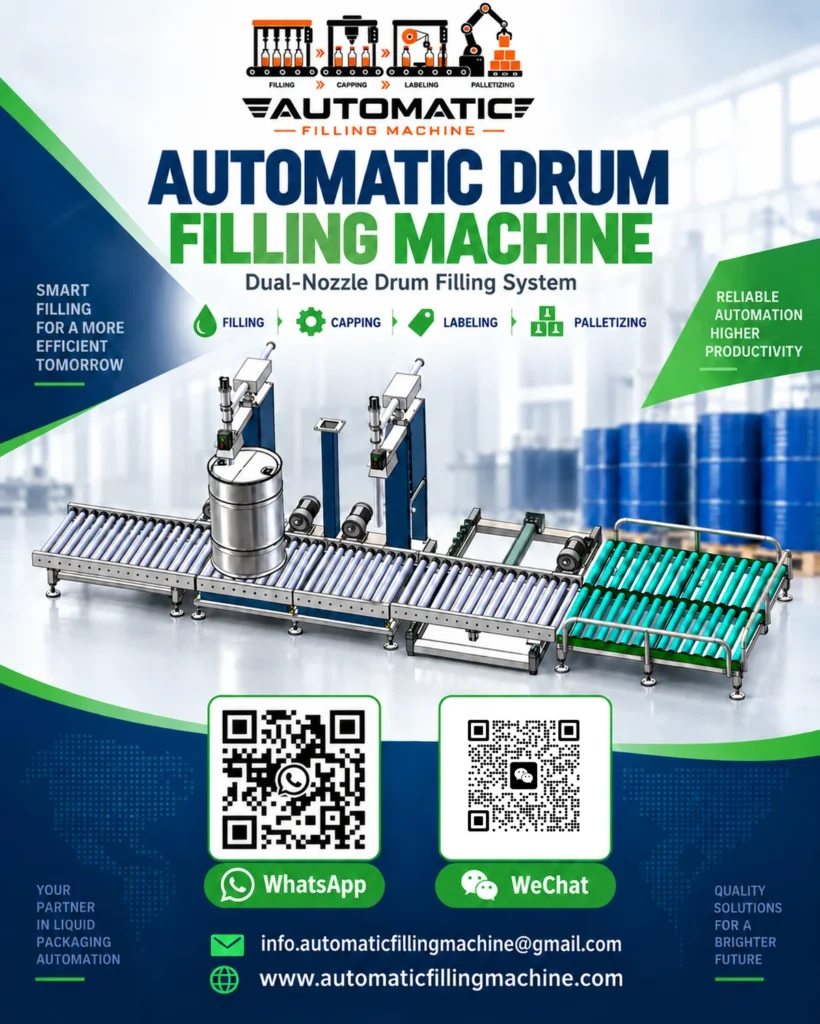
A drum filling machine packages bulk liquids such as lubricants, coatings and suitable chemical products. GLZON offers drum-filling configurations for different handling and production needs. For example, a standalone station may suit batches with frequent product changes.
An automatic line can add container movement and other handling functions. However, each proposal must identify which tasks the operator still performs. Drum positioning, opening alignment and closure handling all affect the complete cycle.
Choosing a Drum-Filling Nozzle
Nozzle selection depends on the opening, liquid and required filling method. A surface-fill arrangement dispenses from above the liquid. By contrast, a suitable diving lance can deliver product below the surface as filling progresses.
For foaming products, controlled flow and lance movement can help reduce foam. They do not guarantee foam-free filling under every condition. Therefore, confirm the arrangement through application review and testing.
Read our drum-filling nozzle selection guide or explore drum and tote filling systems.
IBC Filling Machines for Tote Containers
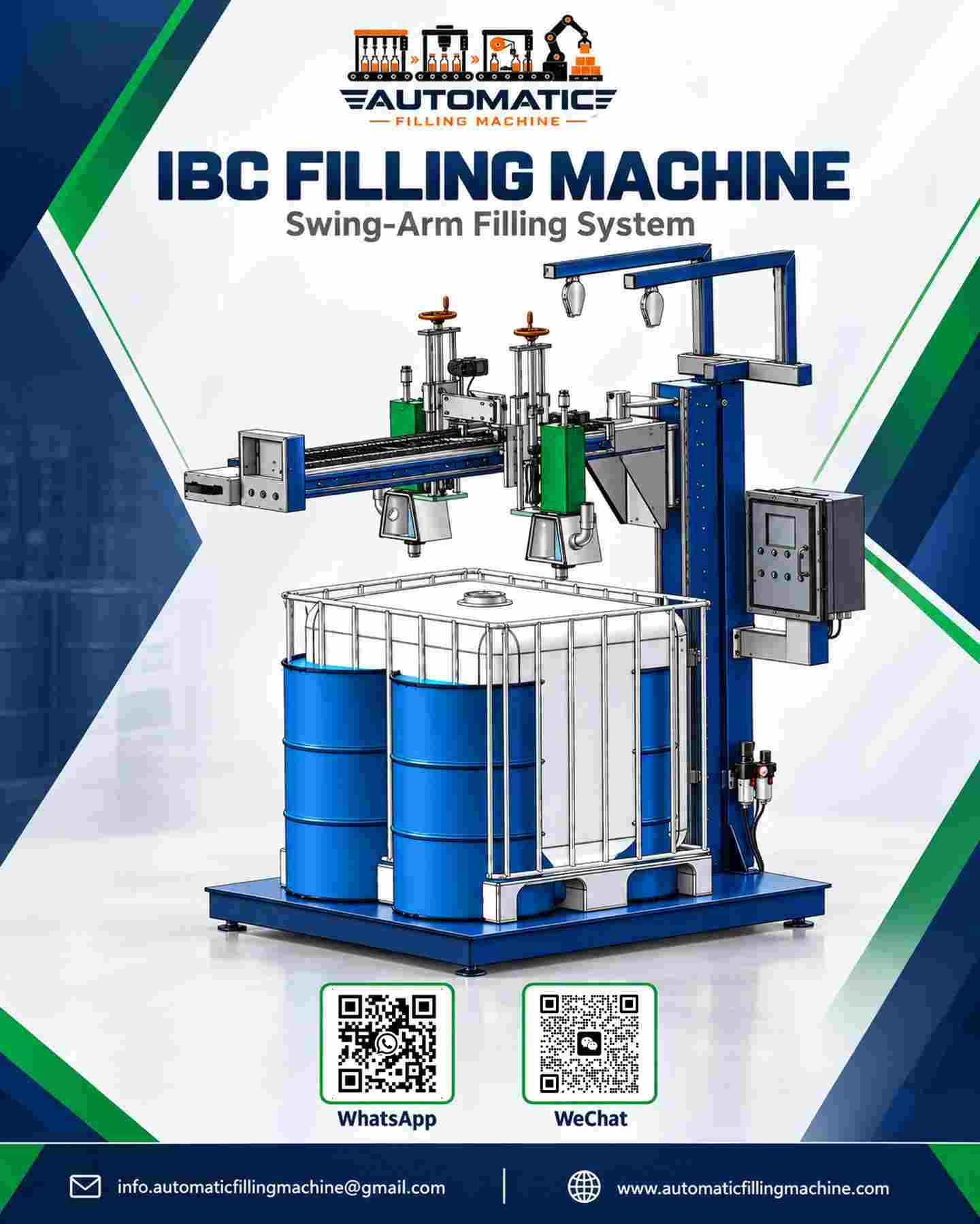
An IBC filling machine dispenses bulk liquid into an intermediate bulk container, often called a tote. A 1,000L format is a common example. However, the container’s rated volume does not define the product’s weight.
The weighing platform must suit the container, pallet and intended product load. In addition, the nozzle must reach the opening without interference. Share tote dimensions and opening details before selecting a system.
Semi-Automatic or Automatic IBC Filling?
Semi-automatic equipment leaves some handling tasks to the operator. For example, staff may position the tote or align the lance. An automatic configuration can include conveyors and positioning functions where the project requires them.
Actual hourly output depends on more than pumping speed. Container exchange, flow restrictions and final weight settling also take time. Therefore, compare complete operating cycles rather than liquid flow alone.
Explore our IBC filling machine options to discuss the right level of automation.
Paint Filling Machines for Cans, Pails and Drums
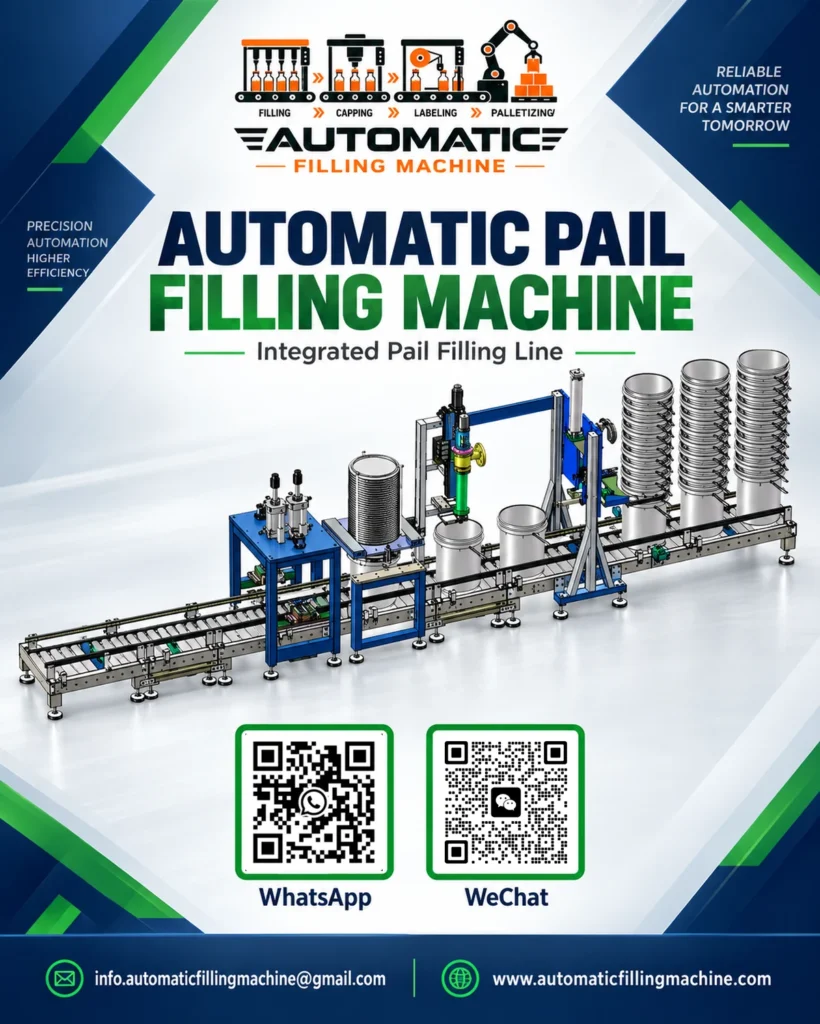
Paint filling equipment must suit the coating’s flow and cleaning needs. Water-based paint, solvent-based coatings and thick resins can require different configurations. Our resin filling and capping machine guide explains the choices for thicker products. For this reason, provide viscosity and operating temperature along with the product description.
Pigments and other solids may also affect component selection. Meanwhile, frequent colour changes make access and cleaning important. The proposal should define product-contact materials, cleaning requirements and the closure method.
Matching the Filling and Capping Equipment
Plastic pail lids, metal can closures and drum bungs need different handling methods. As a result, one capping head should not be assumed to cover every format. Container samples help establish the required tooling and changeover process.
For solvent-based products, request a separate review of site hazards. A general paint-filler description does not establish suitability for a hazardous area.
Chemical Filling Machines for Industrial Products
A chemical filling machine needs components that match the specific liquid. Product name and pH alone are not enough to establish compatibility. Instead, provide the composition, concentration, temperature and safety data sheet. For corrosive products, read our acid filling machine guide and specify the required materials and containment for your application.
Our team can then review the application and proposed contact materials. Depending on the product, the design may need a different pump, hose, valve or seal. Compatibility must cover the entire product path, not only the filling nozzle.
Hazardous-Area Requirements
Flammable products require an application-specific equipment review. Therefore, provide the site’s hazardous-area classification and required documentation at the quotation stage. Your site’s qualified specialists should confirm the installation requirements.
Do not assume that an explosion-protected motor establishes approval for the complete machine. Likewise, the term “explosion-proof” does not describe every required protection measure. Confirm the proposed assembly, its markings and the applicable documentation before purchase.
Bottle and Pail Filling Lines
Bottle filling machines serve smaller containers for oils, detergents and other suitable liquids. Pail and jerrycan systems handle larger packs with different openings and closures. However, each application still needs a defined fill range and product review.
For example, a narrow bottle neck can limit nozzle size and filling speed. A wide pail opening offers different options. As a result, container drawings or samples help avoid unsuitable equipment choices.
Connecting Downstream Equipment
A filling line can include capping, labeling and conveying where required. Additional packaging functions need their own scope and layout review. Therefore, list the complete process when requesting a quotation.
Balanced equipment speeds matter because one slow station can limit the line. Changeover requirements also affect daily output. Ask which adjustments and tooling changes each container format requires.
How a Net-Weight Filling System Works
A net-weight filler measures the liquid added after accounting for the empty container. This method supports packaging applications that specify a target mass. However, load-cell specifications alone do not establish the accuracy of the complete machine.
The Filling Sequence
First, the operator or handling system places the container at the filling station.
Next, the controls account for the empty container weight.
The filling valve opens and product enters at the configured rate.
As the target approaches, the controls reduce flow where the design supports it.
Finally, the valve closes and the system checks the settled reading.
Valve response, vibration and product remaining in motion can affect the result. Therefore, confirm accuracy using agreed test conditions and representative containers.
Understanding Accuracy Claims
Ask whether a percentage refers to target weight, full scale or another measurement basis. For example, ±0.2% of a 200kg target equals ±0.4kg. This calculation illustrates the tolerance; it is not a performance guarantee for every model.
A volume stated in litres cannot become a mass tolerance without density information. Also, a test with water may not represent a thick or foaming product. Specify the test liquid and acceptance method in the purchase agreement.
Specifications to Confirm Before Ordering
Compare quotations using the same operating conditions. Otherwise, similar-looking figures may describe very different tasks.
| Specification | What your quotation should define |
|---|---|
| Filling range | Minimum and maximum target quantity |
| Accuracy | Tolerance, measurement basis and test method |
| Output | Complete containers per hour under stated conditions |
| Construction | Frame material and product-contact materials separately |
| Container compatibility | Dimensions, openings and approved formats |
| Product conditions | Viscosity, density, temperature and relevant hazards |
| Utilities | Voltage, frequency, power and compressed-air needs |
| Controls | Interface, recipes and required data functions |
| Dimensions and weight | Machine footprint, height and shipping information |
| Documentation | Agreed drawings, manuals and applicable certificates |
Advanced controls and data integration require a defined scope. For example, batch export and factory-system connections may need additional hardware or software. Confirm these functions rather than assuming they come as standard.
How to Choose a Liquid Filling Machine Manufacturer
Review Relevant Application Experience
Choose a liquid filling machine supplier who can explain how the proposed equipment fits your product. Ask for a relevant demonstration, machine details and available project evidence. In addition, check that the demonstrated configuration matches the quotation.
General factory videos can introduce the business. However, a product-specific trial gives more useful selection evidence. Share representative containers and discuss a suitable test material before arranging a trial.
Compare the Complete Equipment Scope
The lowest equipment price may exclude essential items. For example, pumps, hoses, conveyors or closure tooling may appear as separate options. Compare the complete scope before deciding which offer fits your budget.
Also, review delivery terms, installation arrangements and support responsibilities. A clear proposal should distinguish included work from customer-supplied services. Learn more about GLZON before discussing your project.
Factory Testing, Installation and Support
Agree on a factory acceptance test before production begins. The test plan should define the product, containers, target fills and expected output. In addition, specify which functional checks and documents the supplier must provide.
After delivery, installation checks should follow the approved equipment instructions. Confirm utilities, layout and operator training before routine production. Finally, record the support contacts and spare parts included in the agreement.
Cleaning and Routine Maintenance
Cleaning methods depend on the liquid and equipment materials. Therefore, follow the approved procedure rather than applying a general solvent-flushing or heating method. A change in product may require a fresh compatibility review.
Routine checks should cover visible leaks, nozzle condition and weighing performance according to the manual. However, faults involving hazardous-area protection require qualified personnel. Stop affected equipment and follow the site’s safety procedures; never bypass protective functions.
Frequently Asked Questions
What is the difference between automatic and semi-automatic filling?
Semi-automatic filling leaves some handling steps to the operator. Automatic equipment performs more steps through integrated controls and handling devices. However, the exact difference depends on the quoted configuration, so ask for a task-by-task operating sequence.
Can one machine fill both drums and IBC totes?
Some configurations can accommodate both container types. However, platform capacity, nozzle reach and container access must suit each format. Provide dimensions and target weights so the supplier can check the proposed arrangement.
Which filling machine suits thick liquids?
Thick liquids need a suitable supply system, product path and nozzle. Pump selection depends on viscosity and other product properties. Therefore, share the operating temperature and flow behaviour rather than choosing by product name alone.
Is stainless steel suitable for every chemical?
No. Suitability depends on the chemical, concentration, temperature and other service conditions. In addition, hoses and seals need their own compatibility checks. Ask for an application-specific material review before approving a configuration.
How much does a liquid filling machine cost?
Price depends on filling range, automation, materials and the equipment scope. Safety requirements and downstream handling can also change the cost. For a meaningful comparison, request quotations based on the same product, containers and output target.
What information do I need for a quotation?
Provide the liquid details, container sizes, target fill and required hourly production. Also, include your country, utilities and any hazardous-area requirements. Photos, drawings and a safety data sheet help the supplier review the application.
Request Your Liquid Filling Machine Quotation
Tell GLZON what you need to fill and how you plan to package it. Start with the product and container details. Then, add your output target and any capping or labeling requirements.
Please include:
Product name and relevant safety data sheet.
Density, viscosity and operating temperature, if known.
Container photos, dimensions and filling range.
Required containers per hour.
Preferred automation level and downstream equipment.
Installation country, utilities and site requirements.
With this information, our team can review a suitable liquid filling machine configuration. Request machine details, a relevant operating video and a project quotation from GLZON.