Equipment Photo Gallery
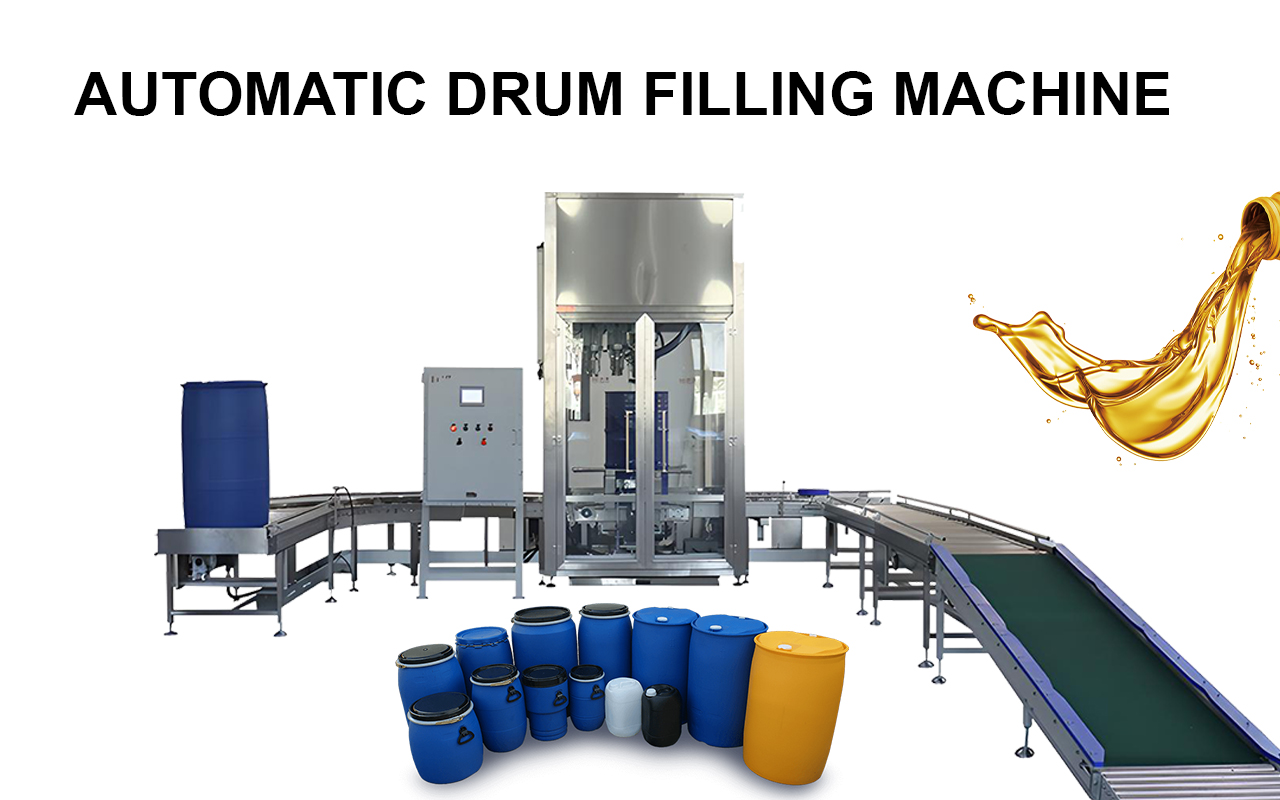
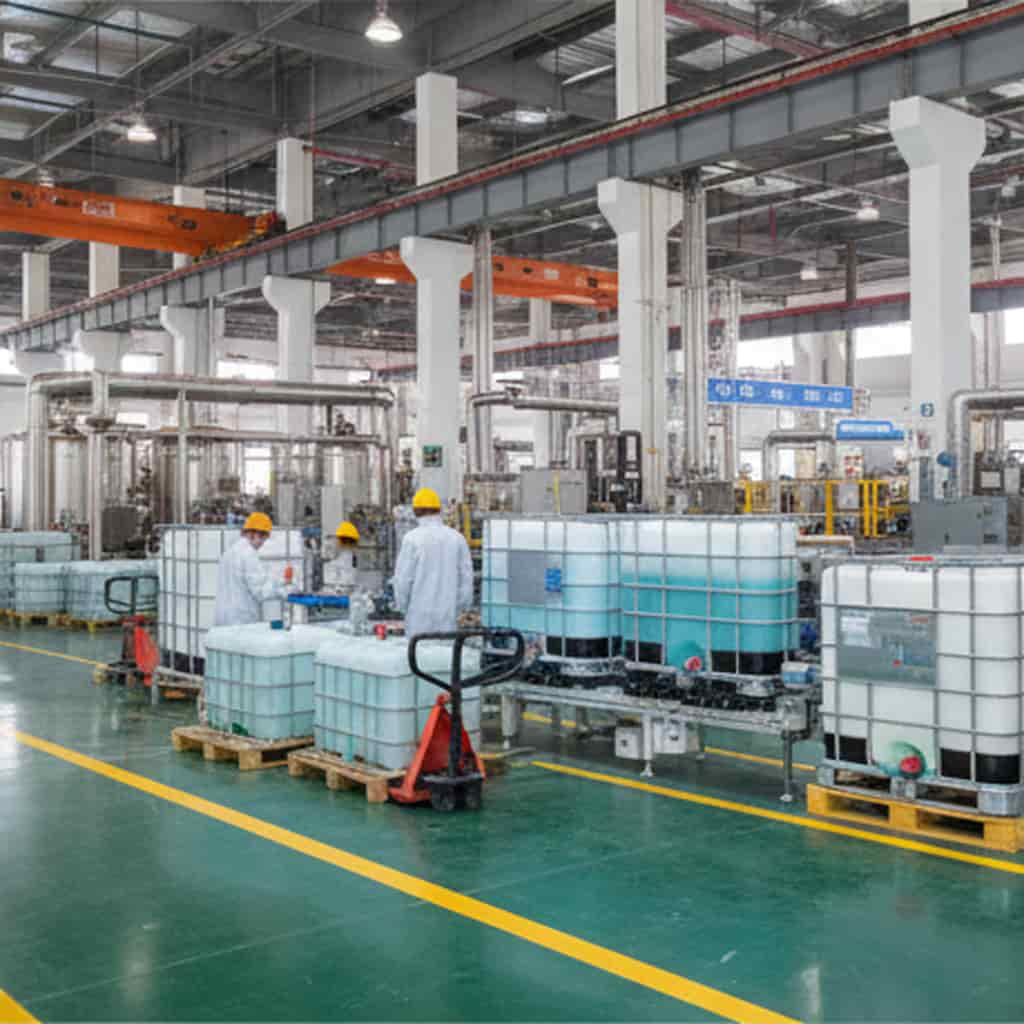
Automatic Drum Filling for Engine Oil: Plan the Workflow
Engine-oil drum filling starts with the product and handling plan. Viscosity at the filling temperature, supply pressure, drum opening and target net weight influence the selected pump, nozzle and weighing setup. This guide explains the workflow to discuss before ordering an automatic line.
For automatic and semi-automatic equipment options, compare the drum filling machine range. Use this article to prepare an engine-oil application brief rather than assume that every configuration has the same output or safety rating.
Define the Oil and Container
- Identify the oil grade and viscosity at the actual filling temperature. Include any expected temperature changes during production.
- Provide drum dimensions, opening position, closure type and empty-container weight. A 200L or 55-gallon description alone does not define the handling layout.
- State the target net fill weight and permitted deviation. Agree whether recipes are needed for different oil grades or fill targets.
- Describe the supply tank, feed connection and available pressure. Confirm whether the quotation includes a pump.
Then share the product safety data sheet and installation conditions. Engine oil is not a single formulation, so required protective measures should be assessed for the intended product and site.
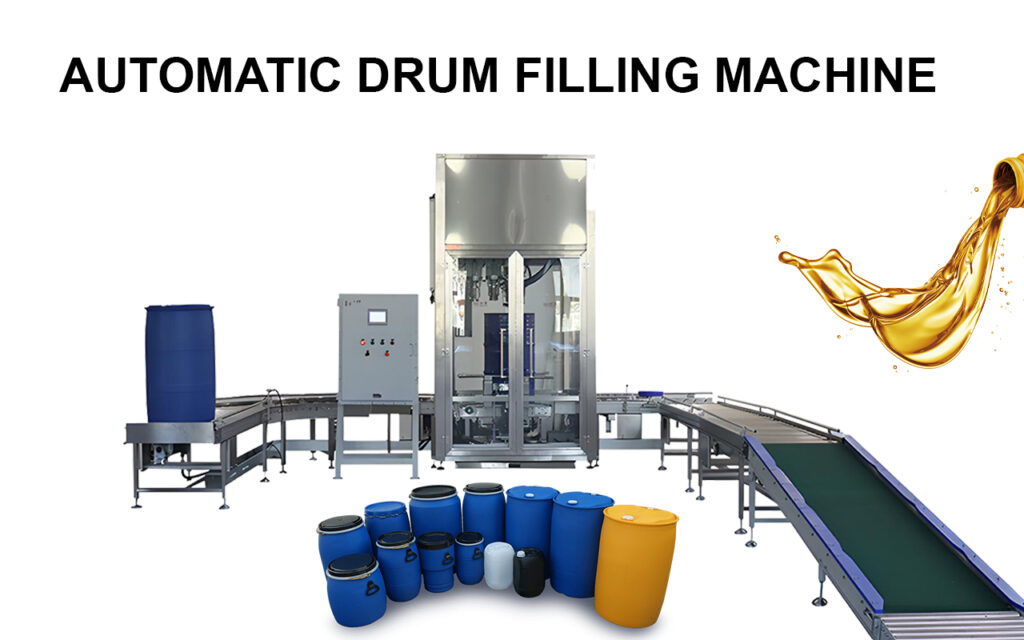
Follow the Complete Filling Cycle
- Position the empty drum on the weighing station. Confirm conveyor direction, stopping position and access for container changes.
- Check the tare weight and selected recipe before filling. The controller should use the agreed net-weight target.
- Start the bulk-fill stage, then reduce flow near the target. Verify the cut-off settings and residual flow using the actual oil.
- Withdraw the nozzle and check for dripping. Confirm how any collected product is handled.
- Transfer the filled drum to the next operation. Capping, sealing and labelling are separate functions unless included in the order.
Check Flow, Foaming and Changeovers
A nozzle arrangement that works for one oil grade may need different settings for another. Compare surface or sub-surface filling against the drum opening and observed foaming. The nozzle selection guide helps prepare these questions.
For a product changeover, define draining, cleaning and contamination-control procedures. Ask which hoses, valves and seals are accessible and how the next recipe is selected. Test representative oil grades before agreeing on the production procedure.
Verify Accuracy and Output with Engine Oil
Agree on an acceptance test that records oil grade, temperature, drum format, target net weight and feed conditions. Measure repeated fills on an independent verified scale and compare the deviations with the agreed tolerance.
For output, time the complete cycle rather than the liquid transfer alone. Include positioning, tare confirmation, filling, withdrawal and discharge. Also identify whether downstream capping or operator tasks limit the line. Published figures for another product or handling layout do not establish your expected output.
Information to Send for a Quotation
- Oil grade, safety data sheet and viscosity at filling temperature.
- Drum dimensions, opening, closure and target net weight.
- Required drums per shift, available operating time and changeover frequency.
- Feed arrangement, utilities, floor space and conveyor direction.
- Included downstream operations, documentation and acceptance-test criteria.
For classified installations, review the hazardous-area requirements checklist separately. Then request a quotation for the agreed engine-oil workflow.