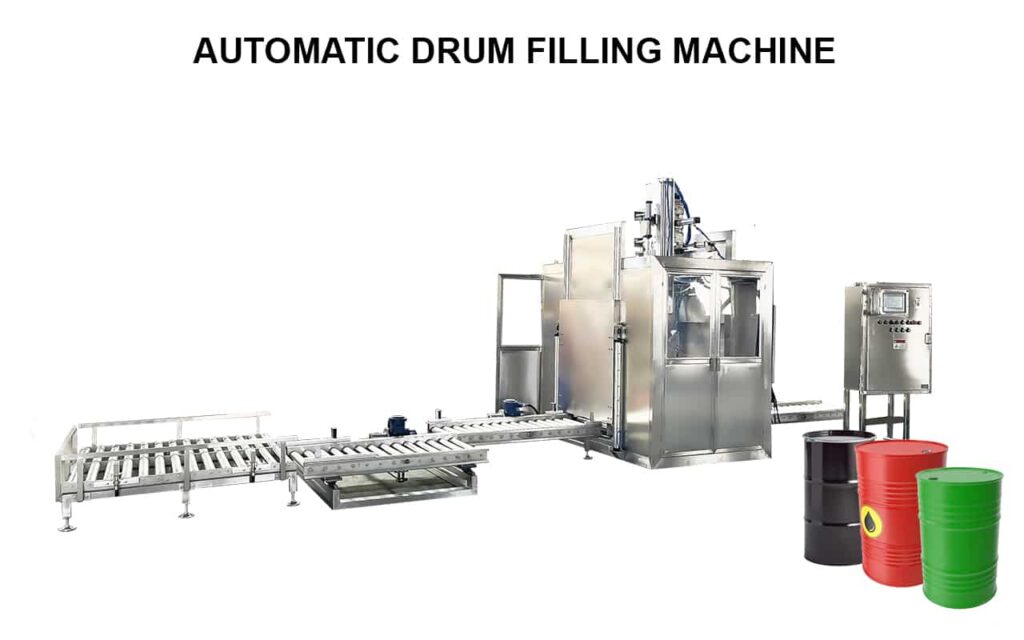
Equipment Photo Gallery
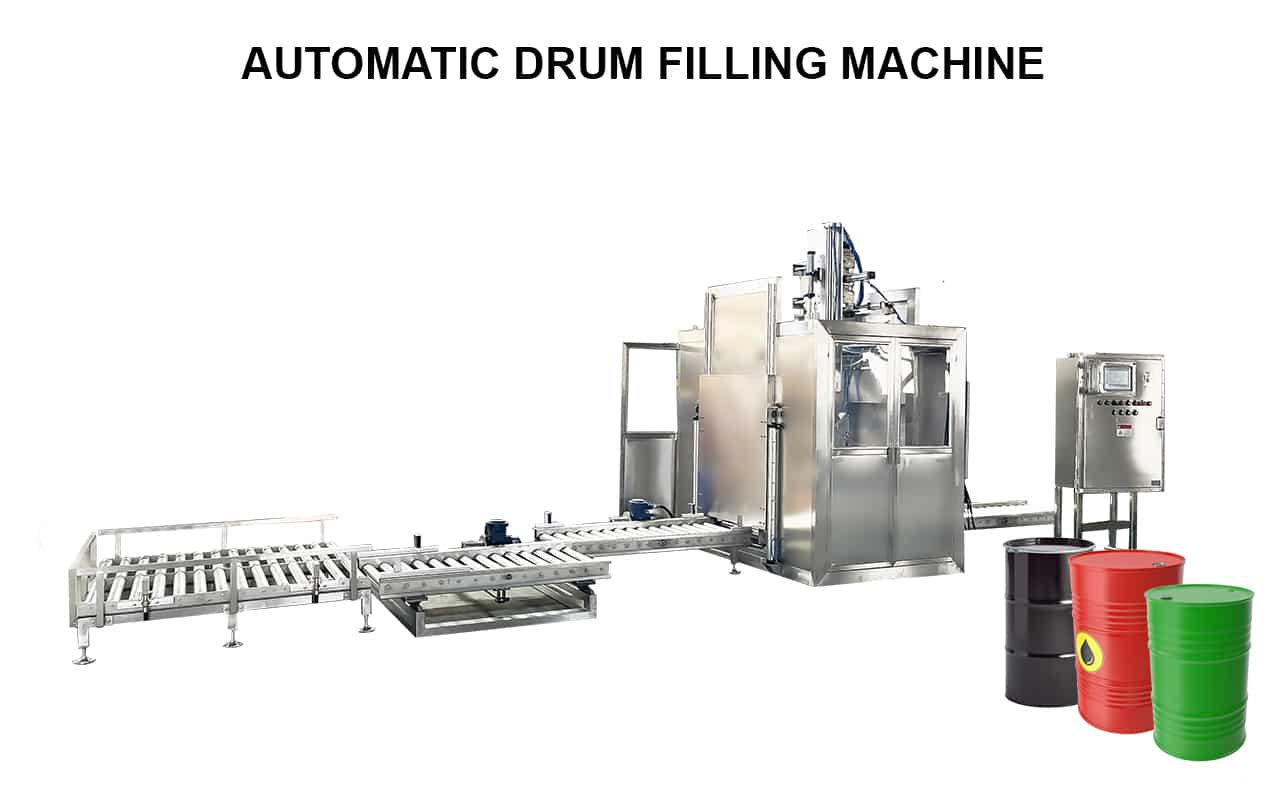
Automatic Drum Filler Installation and Commissioning Guide
Use this automatic drum filler setup guide after the equipment configuration has been agreed. It covers site preparation, delivery checks, commissioning trials and operator handover for oil, coating, resin or solvent applications. Follow the supplier’s installation procedures for the selected system. For equipment selection, see our drum filling machine range.
1. Prepare the installation layout and access
Before delivery, confirm the approved layout, machine footprint, access route and unloading plan with the supplier. Allow space for drum infeed, operator access, cleaning, maintenance and transfer to the next station. Identify the product-supply connection and utility locations on the layout. Installation and lifting should follow the supplier’s instructions and be carried out by qualified personnel.
For equipment selection before ordering, use the 200L drum filling configuration checklist. This setup guide focuses on preparing the site and commissioning the selected system.
2. Check delivery against the approved configuration
Compare the delivered machine, accessories, manuals and documentation with the agreed order scope. Record the equipment identification and inspect for transport damage before installation. Confirm that the actual drums and any IBC totes match the formats agreed with the supplier. Resolve missing parts or differences before commissioning.
3. Confirm the approved recipe and filling sequence
Confirm the approved target net weight, tare procedure and filling recipe with the supplier before a product trial. Record the configured filling stages and cut-off settings in the commissioning record. Verify the result with the intended liquid and agreed measurement method. The installed nozzle sequence may use one of the following modes; follow the selected machine’s operating procedure.
- Surface filling: a simpler arrangement for liquids that do not create unacceptable splashing or foam.
- Sub-surface filling: places the nozzle below the liquid surface to help manage splashing and foam.
- Bottom-up filling: uses a rising lance where the product needs closer foam control.
The nozzle opening, seal arrangement, anti-drip function and cleaning access should be specified with the product. See the filling nozzle selection guide for a closer comparison.
4. Trial the complete handling sequence
During the agreed commissioning trial, check the sequence from drum infeed and positioning through filling, nozzle withdrawal, closure and discharge. Record manual tasks and any transfer delays alongside the filling result. Confirm that the installed arrangement supports the approved handling plan, including any conveyors, capping or labeling stations. Have the supplier resolve interrupted or inconsistent cycles before accepting the line.
5. Check safety and documentation for the installation
For solvents or other potentially flammable products, send the safety data sheet and your site’s hazardous-area classification. The proposed electrical, pneumatic, grounding and control arrangement must be assessed for that installation. Explosion protection and any CE, ATEX or other documentation are configuration-specific and should be listed explicitly in the quotation. Do not assume that every automatic drum filler includes the same certification.
For acids, alkalis or other aggressive liquids, check all product-contact components against concentration and temperature. The chemical drum filling guide covers additional questions to prepare.
Commissioning and handover checklist
- Approved installation layout, access route and delivered equipment scope.
- Confirmed product-supply and utility requirements for the selected machine.
- Recorded recipe, tare procedure, test conditions and measured fill results.
- Completed trial of drum positioning, filling, closure and discharge.
- Operator training, cleaning instructions and manufacturer maintenance procedures.
- Handover documents, supplier support contact and agreed outstanding actions.
Before handover, confirm that the delivered scope, utility requirements, operating instructions, agreed test results and operator responsibilities have been documented. Record outstanding items and the supplier’s support contact. For project questions, contact our team about the configuration. For equipment selection, return to the drum filling machine page.