Equipment Photo Gallery
Explosion-Proof Drum Filling Systems: Requirements Checklist
Specify Hazardous-Area Requirements Before Choosing Equipment
Start with the Product and Installation Classification
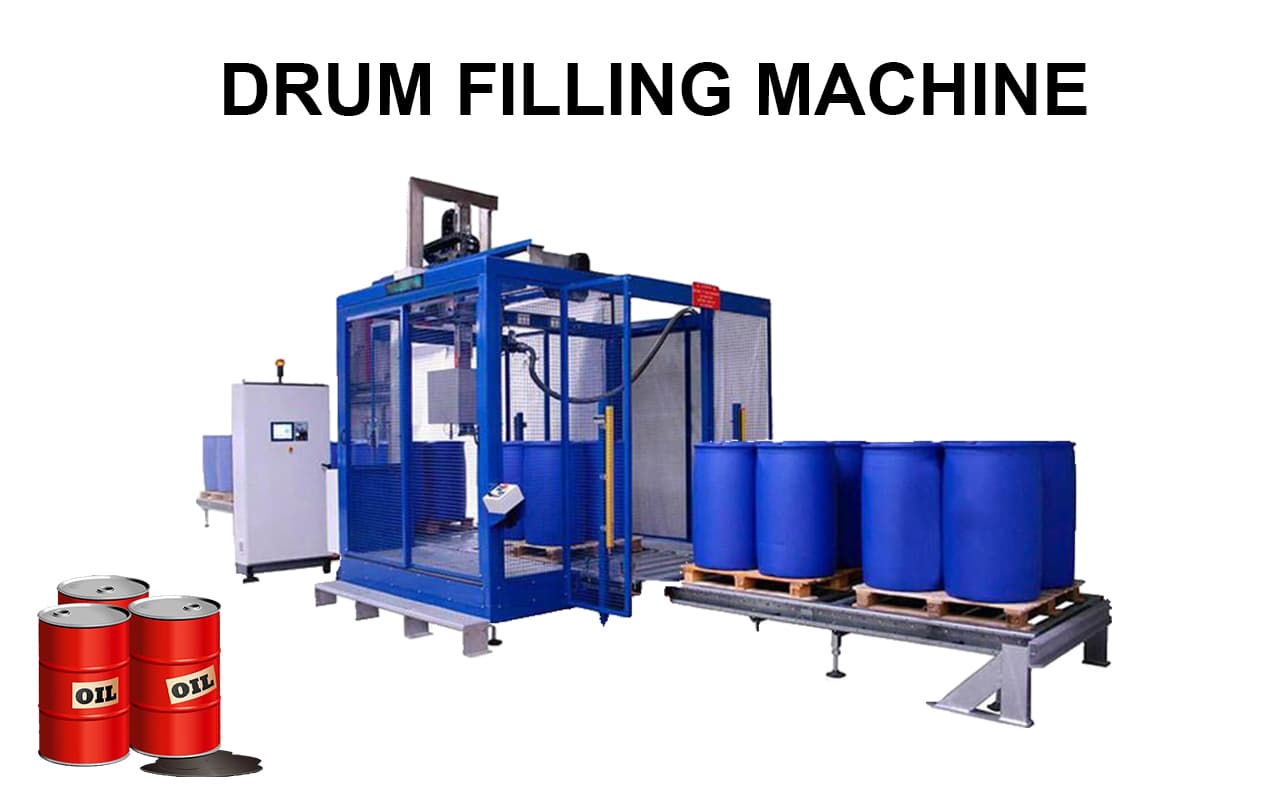
At GLZON Automation Equipment Co., Ltd., we specialize in providing high-performance automatic drum filling systems designed for chemicals and oils. Whether you need to fill 200L drums, IBC containers, or ton barrels, our drum filling solutions are designed to provide precision, efficiency, and safety. Our explosion-proof systems are ideal for handling flammable or corrosive liquids, such as engine oils, solvents, adhesives, resins, and acids.
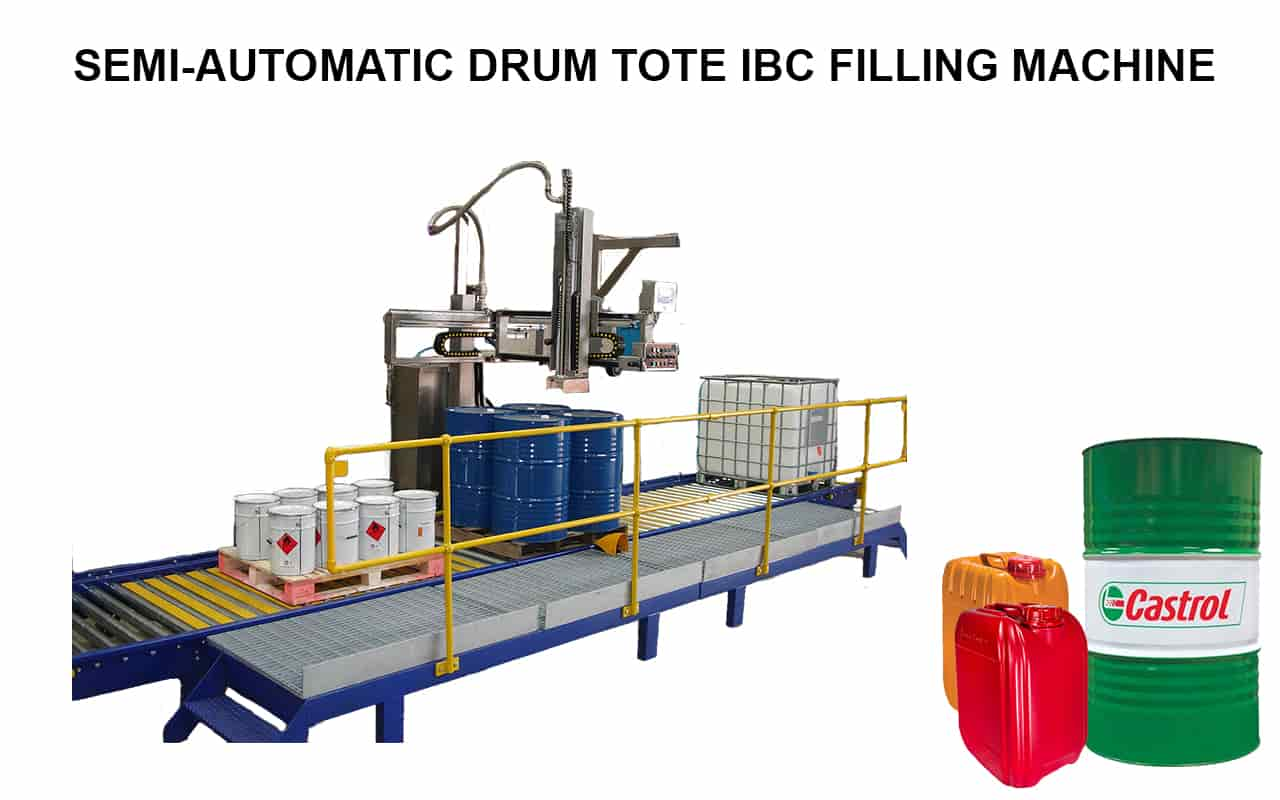
Select the proposed equipment against the site classification and request documentation covering that exact configuration. General product descriptions do not establish compliance. Whether you need a semi-automatic drum filling machine for lower-volume operations or a fully automatic system for high-throughput production, GLZON offers the perfect solution for your needs.
Information to Provide for a Hazardous-Area Quotation
First, share the product safety data sheet and your site hazardous-area classification. Then define the drum format, target net weight and required handling workflow. For complete automatic and semi-automatic options, see our drum filling machine range. This checklist helps define the safety scope; it is not a certificate for a particular machine.
- Define the Performance Test:
- Define a net-weight tolerance and verify repeated fills with the intended liquid, target weight and drum. Load-cell resolution alone does not establish filling accuracy. This level of precision is essential when filling engine oils, lubricants, epoxy resins, and other chemicals, where even slight variations in volume can cause issues in quality control.
- Explosion-Proof Safety for Hazardous Chemicals:
- Ask the supplier to identify which hazardous-area measures are included and provide the corresponding equipment documentation. Confirm the site classification and actual product hazards before deciding whether a configuration is suitable for an environment where dangerous vapors or liquids may be present.
- Flexible Semi-Automatic & Fully Automatic Systems:
- We offer both semi-automatic and fully automatic drum filling systems to meet the needs of different production scales. Semi-automatic systems allow for manual drum positioning, while fully automatic systems require a cycle-time test with the intended liquid and container to confirm output, perfect for large-scale chemical and oil production.
- High-Speed and Low-Impact Filling:
- GLZON’s drum filling systems are built for high-speed performance while minimizing the risk of spillage and foam generation. Test fast and slow flow settings with the intended product. The result depends on viscosity, foaming and the selected product-feed arrangement; suitable settings help manage filling and reduce product loss.
- Define Utilities and Installation Scope:
- Confirm voltage, compressed-air requirements, product supply and installation space for the proposed configuration. Include conveyors, pumps and downstream equipment when comparing utility requirements.
Check the Proposed Equipment and Documentation
- Equipment Marking and Certificate Scope:
- Request the complete equipment marking, manufacturer, model and relevant certificate references. Check that the documentation covers the equipment proposed for your installation. For background, consult the official IECEx certification FAQs. A product photograph or a general Ex claim is not proof of certification.
- Weighing and Acceptance Criteria:
- Agree on target net weight, permitted deviation and the repeat-fill test method. Confirm the load-cell configuration and any brand commitments in the quotation. Verify results using the intended product and an independent verified scale.
- Automatic Capping and Sealing:
- Capping and sealing are included only when specified. Confirm the closure type, sealing operation and transfer arrangement. Also test nozzle dripping and product containment as separate parts of the filling workflow.
- Complete Cycle Time:
- Measure output using the intended liquid, target weight and container. Include drum positioning, filling, nozzle withdrawal and transfer. For IBC use, test the selected tote format separately rather than applying a drum output figure.
- Corrosion-Resistant Construction:
- Specify product-contact materials and seals against the actual formulation, concentration and temperature. Stainless steel or PTFE is not automatically suitable for every chemical. Request a compatibility review for the pump, hose, valve, nozzle and container.
- User-Friendly Control System:
- The PLC control system with a touchscreen interface provides an intuitive user experience, allowing operators to monitor real-time data, adjust filling parameters, and track system performance with ease.
- Flexibility in Container Sizes:
- Confirm drum and IBC dimensions, opening size, tare weight and handling method. A shared filling station needs a defined nozzle travel range, weighing capacity and container changeover procedure.
Product Hazards and Compatibility Questions
Review the actual formulation and installation conditions rather than selecting protection from an industry name alone:
- Chemical Manufacturing:
- For solvents, acids and reactive formulations, supply the safety data sheet and operating conditions. Review corrosion, vapour exposure and hazardous-area requirements separately. Confirm the measures included in the proposed system.
- Oil & Lubricant Industry:
- For oils and lubricants, confirm viscosity at filling temperature and review the product safety data sheet. Do not assume that every oil requires the same protection. Test flow, cut-off and handling using the intended formulation.
- Pharmaceutical & Cosmetic Industry:
- For pharmaceutical or cosmetic products, define cleaning, contamination control and material requirements separately from hazardous-area protection. Ask which hygienic features and documentation are included in the quotation.
- Food & Beverage Industry:
- For edible oils and other food products, specify product-contact materials, cleaning procedures and applicable project documentation. Food-contact suitability and hazardous-area suitability are separate checks.
Confirm Specifications for the Selected Configuration
Use this checklist to define the configuration in your project quotation and acceptance test. Match equipment documentation to the proposed model and installation. Specify capping separately from the filling operation.
| Configuration item | What to confirm |
|---|---|
| Hazardous-area suitability | Site classification, complete equipment marking and documentation for the proposed model. |
| Weighing performance | Target net weight, permitted deviation and repeated-fill acceptance test using the intended product. |
| Drum and IBC output | Complete cycle time for each container format, including positioning and transfer. |
| Product-contact materials | Compatibility of pump, hose, valve, nozzle and seals with the formulation, concentration and temperature. |
| Controls and utilities | Included control functions, voltage, installed power and compressed-air requirements for the complete scope. |
| Handling and closures | Container dimensions, conveyor layout and separately specified capping or sealing equipment. |
| Installation responsibilities | Included protective measures, site provisions, commissioning scope and required documentation. |
Before You Approve the Order
GLZON’s drum filling systems are designed to offer precision, safety, and efficiency for chemical, oil, and lubricant filling applications. Our automatic and semi-automatic systems are the perfect choice for industries that require safe and efficient high-volume liquid filling.
- Performance evidence: Record test product, target net weight, measured deviation and complete cycle time.
- Documentation: Match the equipment model and marking to the supplied documents and agreed configuration.
- Safety scope: Confirm the installation classification, protective measures and responsibilities before commissioning.
- Compatibility: Confirm wetted materials and seals for the product concentration and operating temperature.
Request a Configuration Review
Send your safety data sheet, installation classification, operating temperature, container dimensions and required output to request a configuration review. Include the documentation your project requires. The quotation should identify the equipment supplied and any site provisions excluded from the scope.