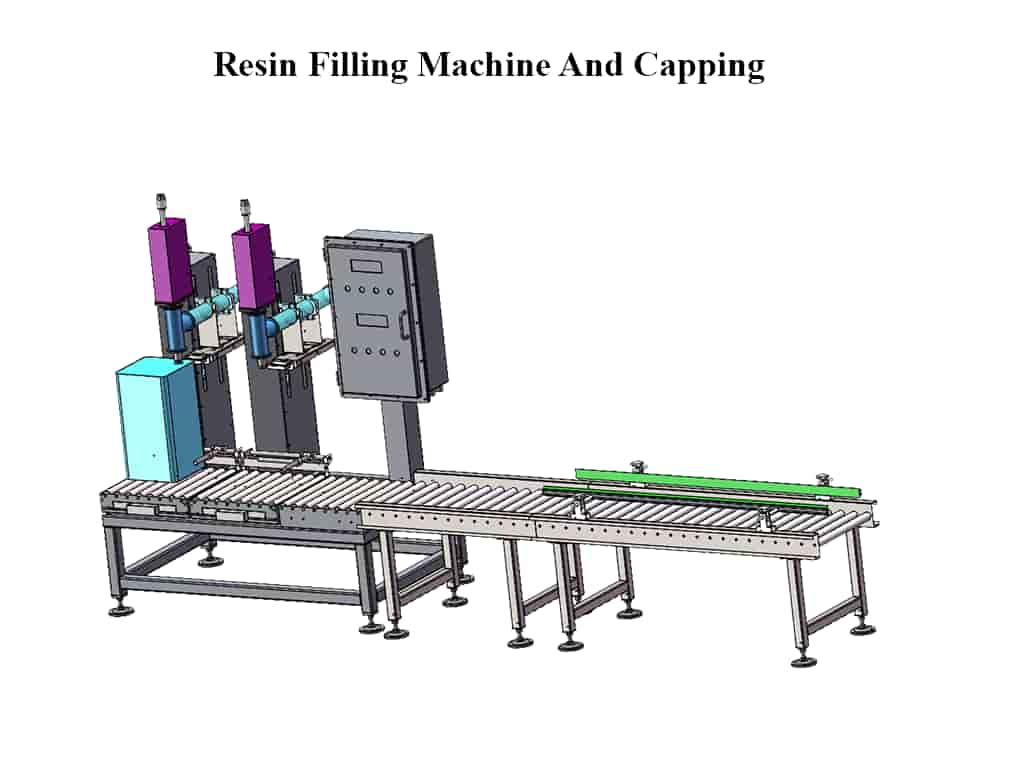
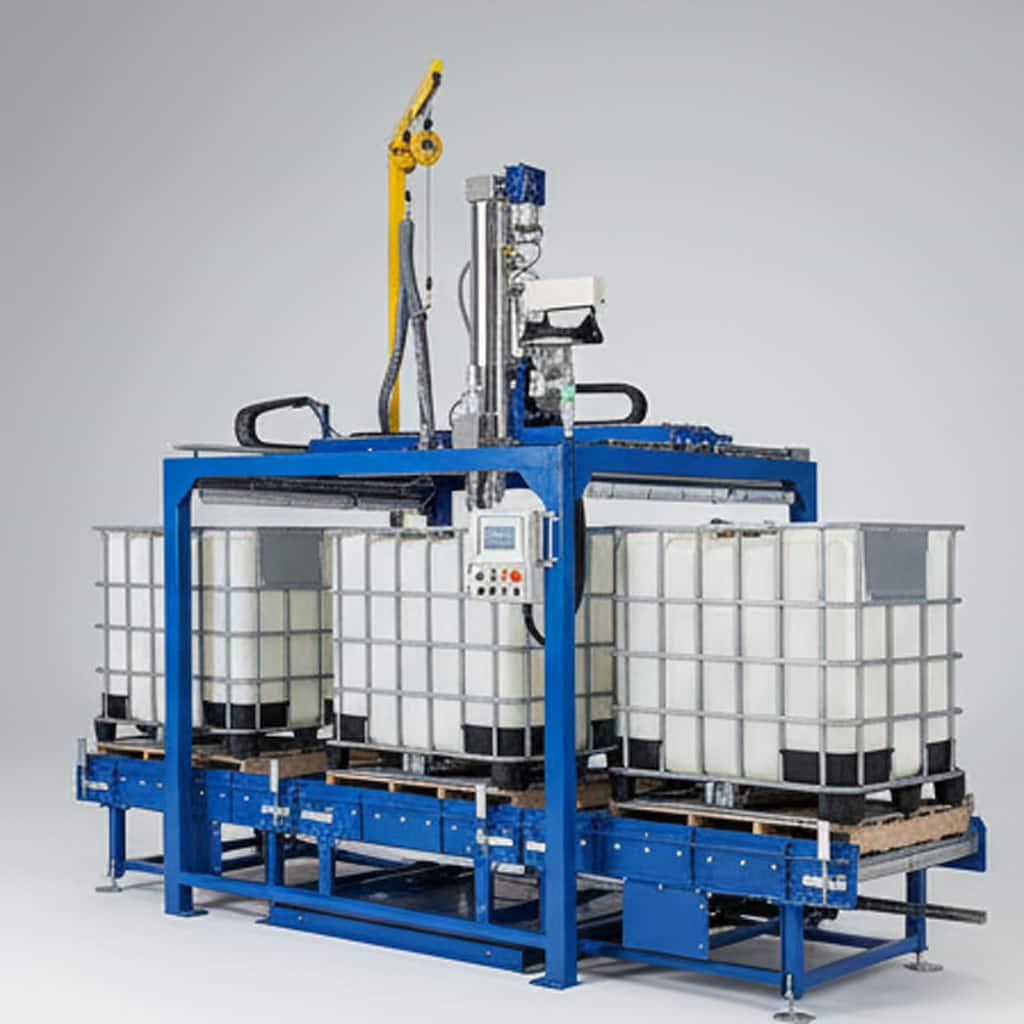
In today’s competitive industrial landscape, liquid filling machine suppliers play a critical role in manufacturing efficiency across chemical, food, pharmaceutical, and coatings industries. Whether you’re packaging edible oils, industrial chemicals, paints, or cleaning detergents, selecting the right automated filling technology directly impacts production speed, accuracy, and profitability.
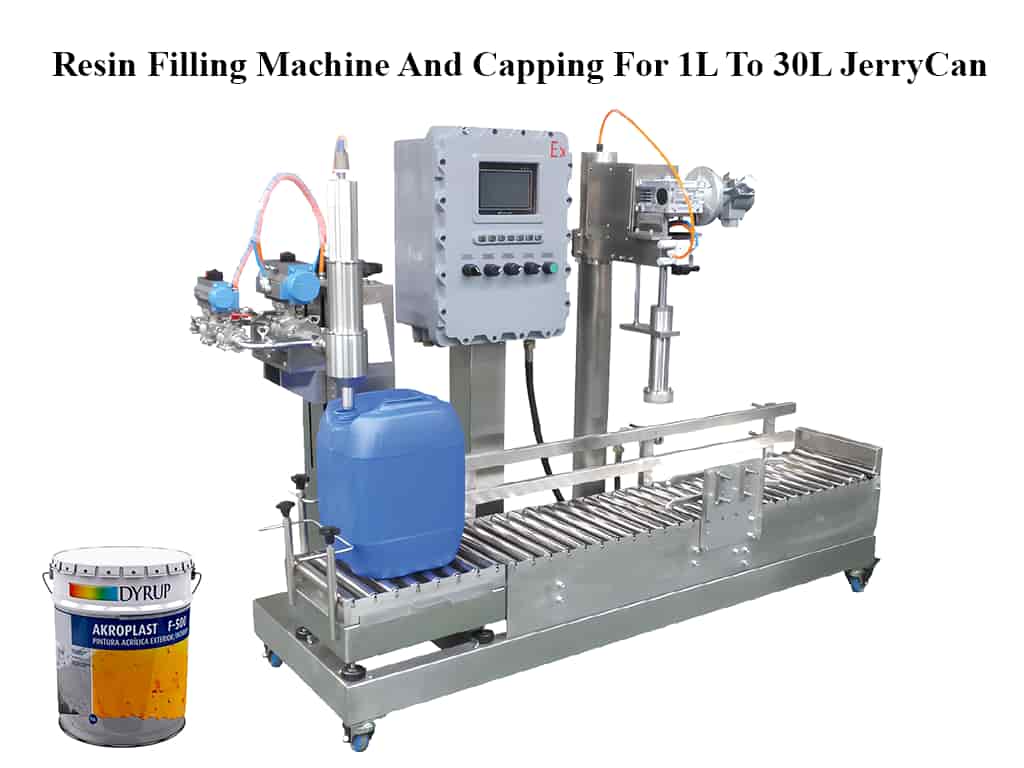
Modern automatic liquid filling machines have evolved far beyond simple volume dispensers. Today’s systems integrate IoT sensors, predictive maintenance algorithms, and multi-format flexibility to handle everything from 100ml soap bottles to 1000-liter IBC totes. For manufacturers seeking drum filling equipment for 200L barrels or IBC filling equipment for bulk chemical storage, professional suppliers now offer explosion-proof, corrosion-resistant systems with ±0.1% filling accuracy.
This comprehensive guide explores the technical specifications, applications, and selection criteria for industrial liquid filling machines—helping procurement managers and plant engineers identify optimal solutions for their production environments.
What Is a Liquid Filling Machine? Technical Overview
A liquid filling machine is precision industrial equipment designed to transfer liquids into containers with controlled volume, weight, or level-based accuracy. These systems serve as the backbone of packaging operations across:
- Chemical manufacturing (acids, solvents, corrosive liquids)
- Food processing (edible oils, cooking oils, vegetable oils)
- Coatings industry (paints, varnishes, resins)
- Cleaning products (liquid soaps, detergents, disinfectants)
- Pharmaceuticals (syrups, suspensions, active ingredients)
- Lubricants (motor oils, industrial greases)
Core Technologies in Modern Filling Systems
| Technology | Principle | Best For | Accuracy |
|---|---|---|---|
| Weight-Based Filling | Load cell measurement | Bulk containers (drums/IBCs) | ±0.1% |
| Flow Meter Filling | Turbine/mass flow measurement | Viscous liquids, oils | ±0.2% |
| Piston Filling | Positive displacement | Thick pastes, creams | ±0.5% |
| Peristaltic Pump | Hose compression | Pharmaceuticals, sterile liquids | ±0.3% |
| Gravity/Level Filling | Fixed volume overflow | Free-flowing liquids, water | ±1.0% |
Professional liquid filling machine suppliers now integrate servo-controlled systems with PLC automation, enabling real-time adjustment of filling parameters based on product viscosity, temperature, and container specifications.
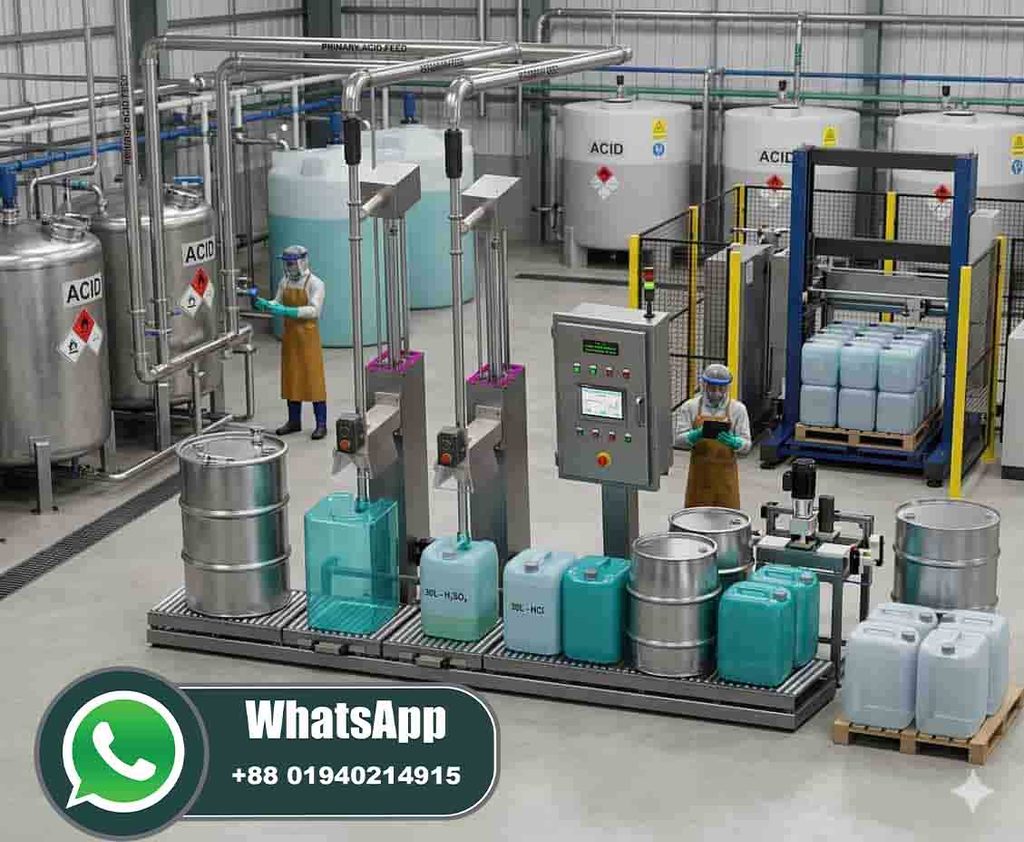
Types of Liquid Filling Machines: Technical Specifications & Applications
1. Automatic Liquid Filling Machine | High-Speed Production Lines
Automatic liquid filling machines represent the industry standard for high-volume manufacturing facilities. These systems eliminate manual intervention through integrated conveyor systems, automatic container handling, and synchronized capping/labeling modules.
Technical Specifications
| Parameter | Specification Range |
|---|---|
| Filling Capacity | 1L – 1000L per cycle |
| Throughput | 20 – 120 containers/hour (format dependent) |
| Filling Accuracy | ±0.1% (weight-based) / ±0.2% (flow meter) |
| Viscosity Range | 1 – 10,000 cP (centipoise) |
| Power Requirements | AC 220V/380V, 50/60Hz, 3-phase |
| Control System | Siemens/Allen-Bradley PLC with 7″ HMI touchscreen |
| Construction Material | Stainless Steel 304/316L, FDA/EHEDG compliant |
| Air Supply | 6-8 bar, oil-free compressed air |
| Communication | Ethernet/IP, Profinet, OPC-UA compatible |
Key Features
- Automatic format changeover: Tool-less adjustment for different container sizes (100ml to 20L)
- CIP/SIP capability: Clean-in-place and sterilize-in-place systems for food/pharma applications
- Reject system: Automatic ejection of under/over-filled containers
- Data logging: Batch records, production reports, OEE monitoring
Applications: Large-scale chemical plants, edible oil refineries, automotive lubricant facilities, and detergent manufacturing operations.
2. Bottle Filling Machine | Small Container Solutions
Bottle filling machines specialize in precision filling of containers ranging from 50ml vials to 5L jerry cans. These systems are essential for consumer goods manufacturers producing liquid soaps, dishwashing liquids, cooking oils, and pharmaceutical syrups.
Technical Data & Performance Metrics
| Parameter | Standard Specification |
|---|---|
| Container Range | 50ml – 5L (plastic, glass, HDPE, PET) |
| Filling Speed | 500 – 3,000 bottles/hour (multi-head configurations) |
| Filling Method | Piston pump, flow meter, or peristaltic |
| Accuracy | ±0.5% (piston) / ±0.2% (flow meter) |
| Neck Diameter | 20mm – 80mm (standard), custom available |
| Machine Dimensions | 2,000mm × 1,200mm × 2,200mm (L×W×H) |
| Weight | 450 – 850 kg (configuration dependent) |
Specialized Applications
| Product Category | Machine Configuration | Key Features |
|---|---|---|
| Liquid soap bottle filling machine | Anti-foam filling nozzles | Diving nozzles to prevent bubble formation |
| Dishwashing liquid filling machine | Corrosion-resistant SS316L | Chemical-compatible seals (Viton/EPDM) |
| Cooking oil filling machine | Nitrogen flushing system | Oxygen exclusion to prevent oxidation |
| Pharmaceutical liquid filling | Laminar flow booth integration | ISO 14644-1 Class 7/8 cleanroom compatible |
Integration Capability: Modern bottle filling machines seamlessly connect with automatic capping machines, induction sealers, labeling systems, and case packers to create complete packaging lines.
3. Drum Filling Equipment | Industrial Bulk Packaging
Drum filling equipment addresses the needs of chemical, lubricant, and coating manufacturers handling 200L steel drums, plastic barrels, and intermediate bulk containers. These systems prioritize throughput, safety, and accuracy for hazardous and high-value liquids.
Comprehensive Technical Specification
| Specification | Standard | High-Capacity |
|---|---|---|
| Container Size | 50L – 220L (closed-head/open-head drums) | 120L – 220L |
| Filling Rate | 30 – 60 drums/hour | 60 – 100 drums/hour |
| Filling Method | Net weight or gross weight | Net weight with pre-weighing |
| Weighing System | 4-load cell platform, 300kg capacity | 6-load cell, 600kg capacity |
| Accuracy | ±0.1% (±50g on 50kg fill) | ±0.05% |
| Filling Valve | 2-inch stainless steel lance with drip-cup | Pneumatically actuated |
| Ex Protection | ATEX II 2G Ex db IIB T4 (optional) | ATEX Zone 1/21 certified |
| Material | Carbon steel (painted) / SS304 / SS316 | SS316L with PTFE lining |
Advanced Safety Features
- Explosion-proof electrical enclosures: EEx d IIB T4 certification for flammable liquids
- Vapor extraction systems: Integrated hoods with activated carbon filtration
- Overfill protection: High-level sensors with automatic flow cutoff
- Grounding verification: Static electricity elimination for solvent filling
- Drip trays: Automatic containment of residual drips
Common Applications: Lubricant blending plants, chemical distribution centers, paint manufacturing, solvent packaging, and agrochemical filling.
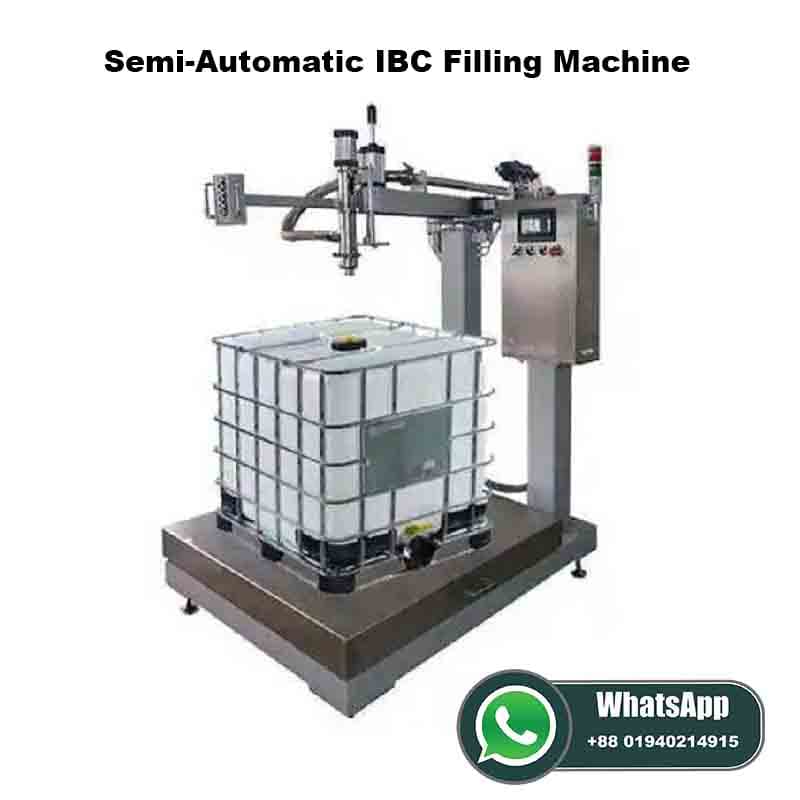
4. IBC Filling Equipment | Intermediate Bulk Container Systems
IBC filling equipment (Intermediate Bulk Container) handles 1000L totes, tank containers, and large bulk bags used in chemical, food, and pharmaceutical logistics. These systems emphasize precision, containment, and ergonomic operation.
IBC Filling Machine Technical Data
| Parameter | Specification |
|---|---|
| Container Type | IBC Tote (1000L standard, 640L/1250L optional) |
| Filling Range | 200L – 1,000L (adjustable in 10L increments) |
| Filling Accuracy | ±0.1% (±1kg on 1000L fill) |
| Throughput | 8 – 20 IBCs/hour (product viscosity dependent) |
| Filling Method | Top-fill via telescopic lance or bottom-fill connection |
| Weighing Platform | 1,500kg capacity, IP67 stainless steel load cells |
| Lance Movement | Pneumatic lift, 1,200mm stroke |
| Control System | PLC with recipe management (50+ product recipes) |
| Safety Features | Emergency stop, fence guarding, light curtains |
Specialized Configurations
| Industry | Custom Features | Compliance |
|---|---|---|
| Chemical | Ex-proof motors, corrosion-resistant wetted parts | ATEX, SEPS |
| Food | Sanitary fittings, 3A certification, CIP capability | FDA, EHEDG |
| Pharma | SIP capability, barrier isolator integration | GMP, Annex 1 |
| Cosmetics | Mirror-finish SS316L, dust extraction | ISO 22716 |
Operational Benefits: IBC filling equipment reduces packaging costs by 40-60% compared to drum packaging for bulk shipments, while improving logistics efficiency through standardized container dimensions.
5. Chemical Filling Machine | Hazardous & Corrosive Liquid Handling
Chemical filling machines require specialized engineering to handle acids, solvents, caustics, and flammable liquids. These systems prioritize operator safety, environmental containment, and regulatory compliance.
Technical Specifications for Chemical Applications
| Feature | Acid Filling Machine | Solvent Filling Machine | Caustic Filling System |
|---|---|---|---|
| Construction | PVC/PP/PTFE lined, Hastelloy C-22 | SS316L, explosion-proof | SS316L with EPDM seals |
| Filling Accuracy | ±0.2% | ±0.1% | ±0.15% |
| Ex Protection | Non-Ex (corrosion focus) | ATEX Zone 1, Ex d IIB T4 | ATEX Zone 2 |
| Containment | Secondary containment tray, 110% volume | Vapor recovery system | Drip-free nozzles |
| Venting | Fume extraction hood | Closed-loop vapor return | Scrubber integration |
| PPE Integration | Emergency shower/eyewash station proximity | Fire suppression, gas detection | Chemical-resistant flooring |
Corrosion Resistance Chart
| Chemical | Concentration | Recommended Material | Seal Material |
|---|---|---|---|
| Sulfuric Acid | 98% | Hastelloy C-276 | PTFE |
| Hydrochloric Acid | 37% | PVC/FRP | Viton |
| Sodium Hydroxide | 50% | SS316L | EPDM |
| Acetone | 100% | SS316L | PTFE |
| Toluene | 100% | SS316L | Viton |
| Nitric Acid | 65% | Titanium | PTFE |
Safety Certifications: CE marking, ATEX 2014/34/EU, SEPS (Safety and Environmental Protection Standards), OSHA compliance for North American installations.
6. Paint Filling Machine | Viscous Coatings & Resins
Paint filling machines address the unique challenges of high-viscosity products, volatile organic compounds (VOCs), and shear-sensitive formulations. These systems handle everything from water-based emulsions to high-solids epoxy resins.
Paint Filling Technical Specifications
| Parameter | Water-Based Paint | Solvent-Based Coating | High-Viscosity Resin |
|---|---|---|---|
| Viscosity Range | 500 – 5,000 cP | 1,000 – 10,000 cP | 10,000 – 50,000 cP |
| Filling Method | Flow meter or weight | Weight-based with vapor recovery | Piston pump with heating |
| Container Sizes | 0.5L – 20L cans/pails | 5L – 200L drums | 20L – 1,000L IBCs |
| Temperature Control | Ambient | Ambient – 40°C (heating jacket) | 40°C – 80°C |
| VOC Management | Not required | Closed-loop vapor return | Condensation recovery |
| Cleaning | Water flush | Solvent flush, ATEX vacuum | Solvent recirculation |
Paint Industry Features
- Color change systems: Rapid cleaning for multi-SKU operations
- Tinting integration: Inline colorant addition with mixing
- Viscosity compensation: Automatic flow adjustment based on temperature/viscosity
- Foam management: Anti-foam injection or vacuum deaeration
Applications: Architectural paints, industrial coatings, automotive refinish, wood finishes, marine coatings, and powder coating resins.
7. Edible Oil Filling Machine | Food-Grade Precision
Edible oil filling machines must balance food safety requirements, oxidation prevention, and high-speed operation for vegetable oils, cooking oils, and specialty fats.
Food Industry Technical Specifications
| Parameter | Standard Line | High-Speed Line |
|---|---|---|
| Products | Sunflower, soybean, palm, olive oil | Blended oils, fortified oils |
| Container Range | 250ml – 5L PET bottles | 100ml – 2L (single-serve to family size) |
| Filling Speed | 1,000 – 3,000 bottles/hour | 5,000 – 12,000 bottles/hour |
| Filling Technology | Vacuum level filling or flow meter | Mass flow meter with temperature compensation |
| Nitrogen System | Pre-fill purge (headspace reduction) | Pre- and post-fill nitrogen dosing |
| Material Certification | FDA 21 CFR, EC 1935/2004 | 3A Sanitary Standards |
| Cleanability | CIP-compatible, 3A sanitary fittings | Automated CIP with validation |
Quality Preservation Features
- Light exclusion: Amber bottle handling or UV-filtered enclosures for sensitive oils
- Oxygen minimization: <1% headspace oxygen through nitrogen flushing
- Temperature control: Ambient filling (18-25°C) to maintain viscosity and prevent condensation
- Metal detection: Integrated inspection systems for food safety
Compliance Standards: HACCP, ISO 22000, BRCGS, Kosher/Halal certification compatibility.
8. Detergent & Soap Filling Machines | Cleaning Product Packaging
Liquid detergent filling machines and soap filling systems handle products ranging from thin dishwashing liquids to thick fabric softeners and viscous hand soaps. These systems emphasize foam control, corrosion resistance, and high-speed changeover.
Detergent Filling Technical Data
| Product | Viscosity | Filling Method | Special Features |
|---|---|---|---|
| Dishwashing liquid | 100 – 500 cP | Flow meter | Anti-foam nozzles, surfactant-compatible seals |
| Laundry detergent | 500 – 2,000 cP | Piston or pump | Viscosity heating, fiber handling |
| Liquid soap/hand wash | 1,000 – 5,000 cP | Piston filler | Diving nozzles, pearlized product handling |
| Fabric softener | 200 – 800 cP | Flow meter | Cationic surfactant compatibility |
| Disinfectant cleaners | 50 – 300 cP | Flow meter | Chemical resistance (quaternary ammonium compounds) |
Packaging Line Integration
| Machine | Function | Speed Range |
|---|---|---|
| Liquid soap bottle filling machine | Precision filling | 1,500 – 4,000 bottles/hour |
| Liquid soap packaging machine | Filling + capping + labeling | Complete line: 2,000 – 6,000 units/hour |
| Liquid detergent packaging machine | Multi-format handling | 1,000 – 3,000 bottles/hour |
| Laundry detergent filling machine | Viscous product handling | 500 – 2,000 containers/hour |
| Dish wash liquid filling machine | Foam control | 2,000 – 5,000 bottles/hour |
Material Considerations: SS316L construction for chloride-containing products, Viton seals for solvent-based fragrances, anti-static systems for flammable alcohol-based sanitizers.
How to Select the Right Liquid Filling Machine Suppliers
Choosing among liquid filling machine suppliers requires evaluation beyond price comparisons. Consider these critical factors:
1. Technical Capability & Engineering Expertise
Table
| Evaluation Criteria | Questions to Ask | Red Flags |
|---|---|---|
| Customization ability | Can you modify for our specific container? | Only standard catalog models |
| Viscosity handling | What’s your experience with 50,000 cP products? | No testing data, limited range |
| Integration experience | Have you integrated with our existing ERP/MES? | Standalone systems only |
| Certification support | Can you provide ATEX/FDA validation documentation? | Generic certificates, no third-party validation |
2. Industry-Specific Experience
| Industry | Supplier Must Demonstrate | Verification |
|---|---|---|
| Chemical | ATEX/SEPS project portfolio | Reference sites, explosion-proof installation photos |
| Food/Pharma | FDA/EHEDG/GMP compliance | 3A certificates, validation protocols |
| Coatings | Viscous product handling | Viscosity test reports, customer testimonials |
| Detergents | Surfactant/corrosive experience | Material compatibility charts |
3. Automation & Industry 4.0 Readiness
Modern automatic liquid filling machines should offer:
- OPC-UA communication for MES/ERP integration
- Remote diagnostics and predictive maintenance capabilities
- Batch reporting with electronic signatures (21 CFR Part 11 for pharma)
- Recipe management with encrypted storage
- OEE monitoring with downtime analysis
4. Total Cost of Ownership (TCO) Analysis
| Cost Component | Typical Range | Optimization Strategies |
|---|---|---|
| Initial investment | $15,000 – $250,000+ | Modular design, scalable architecture |
| Installation & commissioning | 10-15% of machine cost | Local service presence, remote support |
| Spare parts (annual) | 3-5% of machine value | Standardized components, local inventory |
| Energy consumption | 2-5 kW/hour | Servo-driven systems, energy recovery |
| Labor reduction | 2-4 FTE per shift | Full automation, automatic changeover |
5. After-Sales Support & Service Network
| Service Level | Description | Criticality |
|---|---|---|
| 24/7 hotline support | Phone/video troubleshooting | High for continuous operations |
| On-site service | Technician dispatch within 24-48 hours | Essential for complex installations |
| Spare parts availability | 48-hour delivery guarantee | Critical for high-volume lines |
| Training programs | Operator and maintenance training | Mandatory for safe operation |
| Preventive maintenance | Scheduled inspection contracts | Recommended for ATEX/food applications |
GLZON: Professional Liquid Filling Machine Suppliers
GLZON is a leading manufacturer of industrial liquid filling machines, automated packaging systems, and custom-engineered filling solutions serving global markets.
Our Product Portfolio
| Category | Product Range | Key Features |
|---|---|---|
| Automatic liquid filling machines | 1L-1000L capacity, 20-120 units/hour | PLC control, ±0.1% accuracy, CIP capability |
| Bottle filling machines | 50ml-5L, 500-3,000 bottles/hour | Multi-head configurations, nitrogen flushing |
| Drum filling equipment | 50L-220L, 30-100 drums/hour | ATEX options, vapor recovery, net/gross weighing |
| IBC filling equipment | 200L-1,000L, 8-20 IBCs/hour | Telescopic lances, recipe management, Ex-proof |
| Chemical filling machines | Corrosion-resistant construction | Hastelloy, PTFE lining, secondary containment |
| Paint filling machines | Viscous product handling | Heating jackets, VOC recovery, color change |
| Oil filling machines | Food-grade sanitary design | 3A certification, nitrogen preservation |
| Detergent filling machines | Foam control technology | Anti-foam nozzles, surfactant compatibility |
Industries Served
- Lubricants & motor oils: Precision blending and packaging lines
- Chemical manufacturing: Hazardous liquid handling with full ATEX compliance
- Edible oils: Food-grade systems with HACCP integration
- Paints & coatings: Viscous product expertise with color management
- Cleaning products: High-speed detergent and soap filling lines
- Pharmaceuticals: GMP-compliant systems with validation documentation
Technical Advantages
| Feature | GLZON Implementation |
|---|---|
| Control Systems | Siemens S7-1500, Allen-Bradley ControlLogix |
| HMI Interfaces | 10″ color touchscreen, multi-language support |
| Weighing Technology | Mettler Toledo, Sartorius, or Yamato load cells |
| Pneumatics | Festo/SMC components, oil-free operation |
| Safety Systems | Pilz safety PLCs, light curtains, guard locking |
| Documentation | FAT/SAT protocols, IQ/OQ/PQ for pharma |
Contact Professional Liquid Filling Machine Suppliers
For detailed quotations, technical consultations, or factory acceptance testing arrangements:Table
| Contact Method | Details |
|---|---|
| Corporate Website | https://www.glzon.com/ |
| B2B Platform | Alibaba Store |
| Manufacturing Directory | Made-in-China Profile |
| 13482519587glzon@gmail.com | |
| WhatsApp/WeChat | +86 13482519587 |
| Technical Consultation | Available for feasibility studies and custom engineering |
Frequently Asked Questions (FAQ)
Q: What is the typical ROI period for an automatic liquid filling machine? A: ROI typically ranges from 12-24 months depending on labor cost savings, throughput increase, and waste reduction. High-volume chemical operations often achieve 12-18 month payback.
Q: Can one machine handle both water-like solvents and thick pastes? A: Yes, modern piston and pump-based systems handle viscosity ranges from 1-50,000 cP. However, dedicated systems optimized for specific viscosity ranges deliver better accuracy and speed.
Q: What certifications are required for chemical filling equipment? A: ATEX 2014/34/EU for explosive atmospheres, CE marking for European markets, and SEPS for specific industries. Food applications require FDA/EHEDG compliance.
Q: How do I determine the right filling technology for my product? A: Consider viscosity, foaming characteristics, chemical compatibility, required accuracy, and container type. Professional suppliers offer product testing and feasibility studies.
Q: What maintenance schedule is recommended for drum filling equipment? A: Daily: Clean nozzles and check calibration. Weekly: Inspect seals and pneumatic components. Monthly: Verify weighing system with certified weights. Annually: Comprehensive service and safety inspection.